
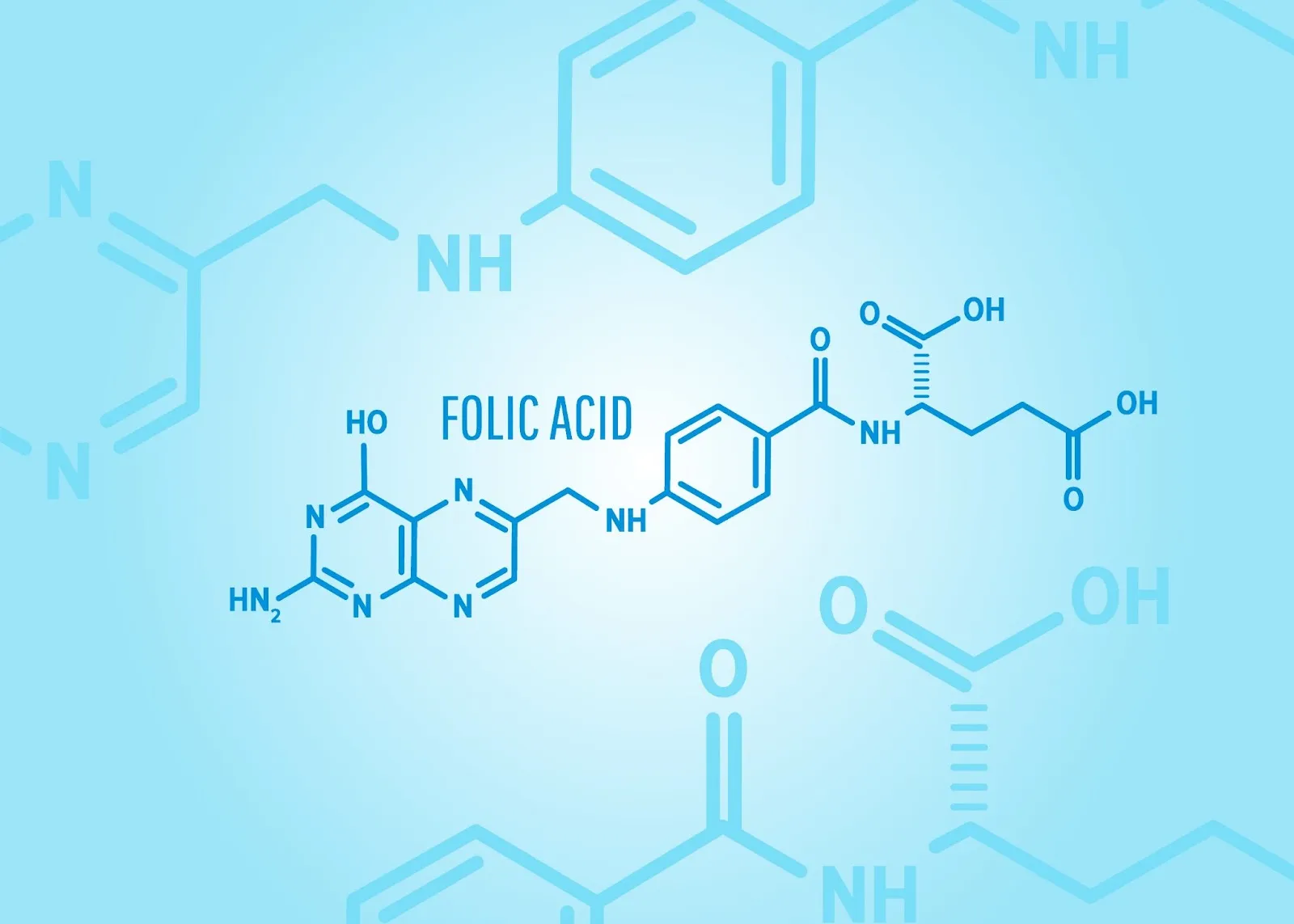
Folic acid is linked to a lower suicide risk. A large new study found that people taking folic acid supplements had up to 44% lower risk. This unexpected finding points to a simple, low-cost step in a country with more than 45,000 suicide deaths a year.
Summary: In the US, more than a million suicide attempts happen each year. They cause more than 45,000 deaths, mostly among young adults. Yet no known treatment cuts suicides by much. Now a new study shows that a simple step, taking a folic acid supplement, may cut suicide risk by as much as 44%.
This is a very unusual finding, and it came by accident. A new study shows folic acid may cut suicide risk a lot.
Vitamins, above all the B vitamins, have long been linked to better mental health, brain health and energy. But no one thought they could cut the suicide rate this much. Suicides and suicide attempts are usually tied to depression. Close to 5% of US adults live with depression. Each year about 12 million think of suicide, and 10% of them attempt it. That leads to more than 45,000 deaths every year.
Despite so much progress in science, mental health disorders are rising. There are dozens of drugs for depression, yet none works in every case. Antidepressants work moderately well. Worse, they often fail to help.
In the new study, published in the journal JAMA Psychiatry, researchers looked for links between suicide risk and the use of various medicines. That topic is still poorly studied.
For the study, researchers looked at data from close to a million patients. They used drug refill data to see whether taking certain drugs was linked to suicide risk. They looked at patients’ use of close to 1000 drugs. To their surprise, folic acid seemed linked to a significantly lower suicide risk.
So they decided to focus on folic acid, also called vitamin B9. The B vitamins’ role in brain health is known. Folic acid is often prescribed in prenatal care, because it is key for the baby’s brain growth and lowers the risk of certain birth defects.
They gathered data from 866,586 patients given folic acid between 2012 and 2017. Folic acid is more often prescribed to women, so most of those who took it were women (80%).
The data showed that people who took folic acid had a significantly lower suicide risk. But since most of them were pregnant women, that finding is easy to explain. Pregnant women are the least likely to die by suicide.
Still, researchers pushed ahead and looked at the data for men. They were amazed. In men, folic acid cut suicide risk by almost 44%, even after adjusting for other factors. These are incredible findings, because folic acid is easy to get and quite safe for long-term use.
The study had other interesting findings. The more folic acid people took, the lower their suicide risk, in a straight line. Each month of folic acid cut suicide risk by about 5%, topping out at about 44%. That is a huge benefit.
Folic acid has many health effects like those of cyanocobalamin, or vitamin B12. So the researchers also checked whether vitamin B12 could cut suicide risk. They found no link between vitamin B12 and suicides. So this benefit seems unique to folic acid.
These findings matter a lot for patient care and must be tested in well-designed clinical trials. It is vital to learn why folic acid helps so much in preventing suicide. Its role in treating depression must also be explored.
If clinical trials confirm these findings, folic acid may become a cheap, safe treatment for depression and for preventing suicide. It may help save thousands of lives.
Frequently asked questions
Does folic acid lower the risk of suicide?
A JAMA Psychiatry study looked at 866,586 patients who filled folic acid prescriptions between 2012 and 2017. Folic acid was linked to a significantly lower suicide risk. Because 80% of them were women, many of them pregnant, the researchers looked at men separately. In men the risk fell by almost 44% after adjusting for other factors. It dropped about 5% for each month of use.
Can folic acid affect your mood?
B vitamins have long been tied to better mental health, brain health and energy. Folic acid, also called vitamin B9, is key for brain growth, which is why it is prescribed in prenatal care. Researchers now want to learn why folic acid helps so much in preventing suicide. Its role in treating depression needs to be tested in well-designed clinical trials.
What is the best vitamin for depression?
Of the B vitamins in this research, folic acid is the one that stood out. Researchers checked close to 1,000 drugs against suicide risk, and folic acid showed the link. They then checked vitamin B12, which shares many of folic acid’s effects. They found no link to suicide at all. The benefit seems unique to folic acid.
What is the downside of taking folic acid?
Very little. Folic acid is easy to get, cheap and quite safe for long-term use. That is exactly what makes the suicide finding so important. Antidepressants work only moderately well and fail many people. If clinical trials confirm this result, folic acid may become a cheap, safe treatment for depression and a tool for preventing suicide.
Related reading
TMS for Anxious Depression · Reduce your alcohol intake to lower your cancer risk · Drug Addiction Treatment, St. Louis
Sources
- Gibbons RD, Hur K, Lavigne JE, et al. Association Between Folic Acid Prescription Fills and Suicide Attempts and Intentional Self-harm Among Privately Insured US Adults. JAMA Psychiatry. 2022;79(11):1118-1123. PMID 36169979 · DOI 10.1001/jamapsychiatry.2022.2990.