Misuse of opioids has become a major problem in the United States and has led to a rapidly growing epidemic of opioid addiction. The consequences of this addiction are severe and can worsen with each passing day. However, there is hope for those struggling with opioid addiction. Effective opioid addiction treatment programs, such as opiate replacement therapy and medication-assisted treatment for opioid use disorder, are available to help individuals overcome their addiction and reclaim their lives. At the Addictionology Center, our team of experts is dedicated to guiding individuals on their journey to recovery and providing the support and resources needed through our opioid treatment programs to achieve long-term sobriety. Don’t wait, take the first step toward a brighter, opioid-free future and contact us today to learn more about our opioid treatment programs.
Statistic
Opioid prescribing began to rise in the early 1990s, powered by financial incentives aligning with intrinsic hedonic behavior.
22-35% of “Misusers”
As per the report by the Substance Abuse and Mental Health Services Administration, only 22-35% of “misusers” of pain medication report receiving the drugs from their doctor.
Opioid
- How Do They Work?
- Do Opioids Always Cause Addiction?
- Who Is At Risk ?
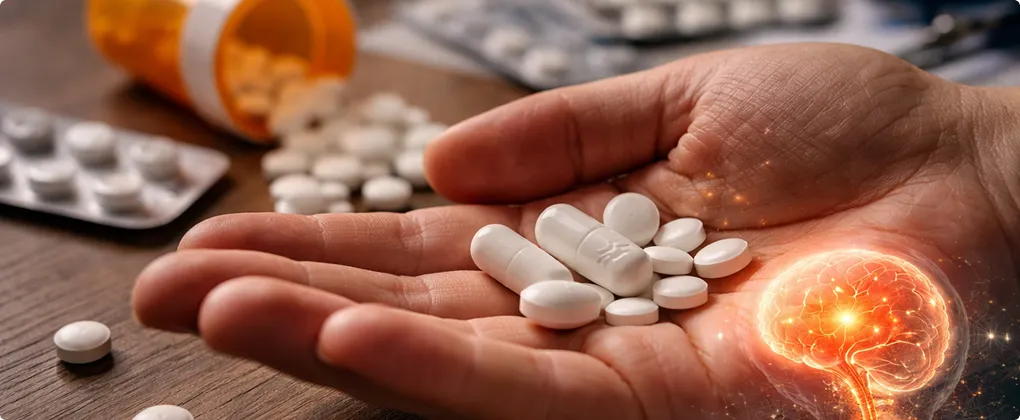
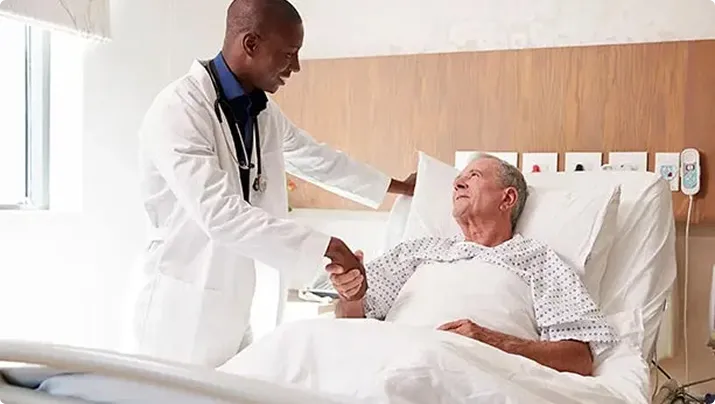
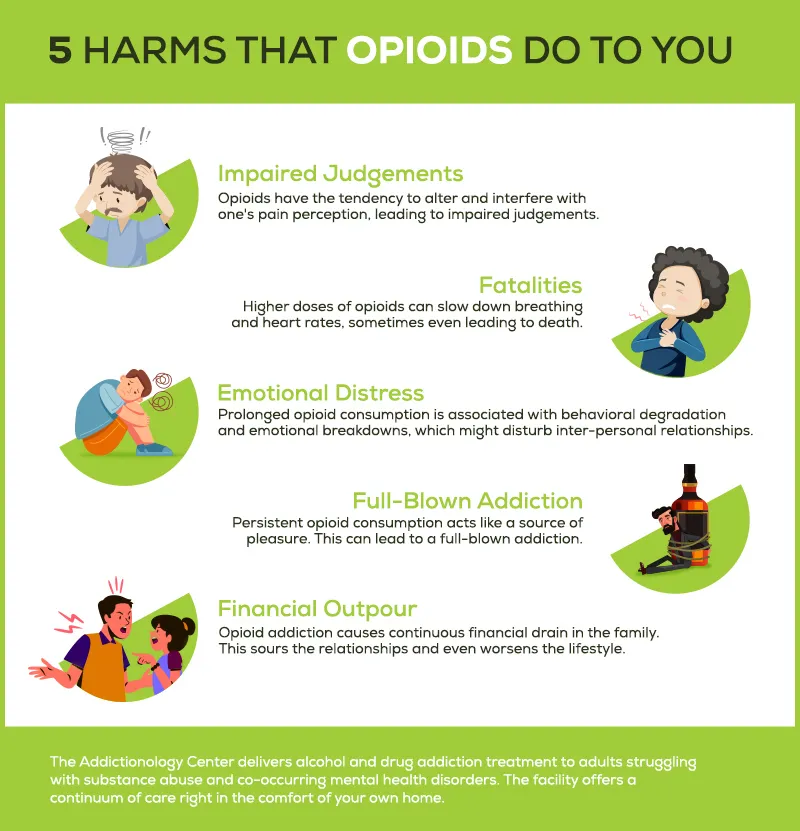
To understand opioid addiction, we must first understand opioids. Opioids can be either naturally derived, also known as opiates, or synthetically synthesized medications prescribed for pain relief. They cause addiction by blocking pain signals by interfering with the Central Nervous System (CNS).

Addiction is relatively uncommon among people prescribed opioids. The percentage of patients who become addicted to opioids after taking them for chronic pain ranges from 1% to 8%. These estimates are typically skewed toward the lower end, especially when removing individuals at risk (due to a history of substance abuse or concurrent mental illness) from the sample.
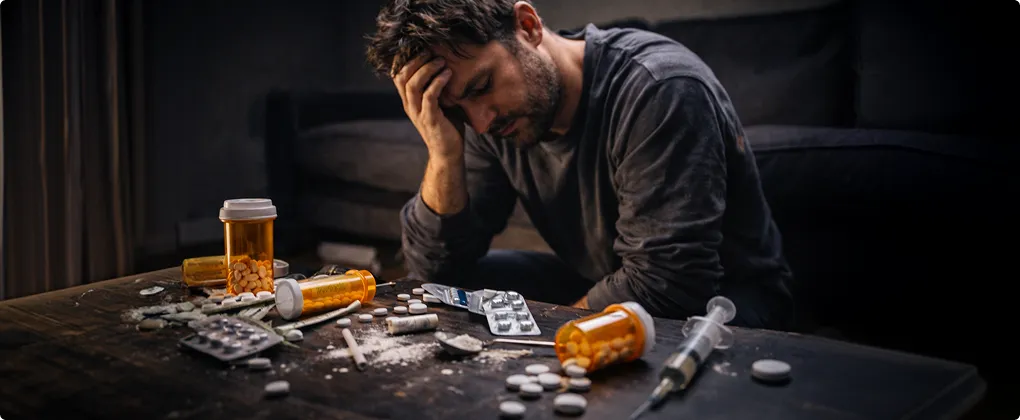
People who abuse pills are rarely new to drugs. For example, the federal government’s 2014 National Survey on Drug Use and Health revealed that more than three-fourths of misusers had used non-prescribed benzodiazepines, such as Valium or Xanax, or inhalants. A study of OxyContin users in treatment found that they “were not naive individuals with accidental addictions who were introduced to painkillers by their doctors as reported by the media; instead, they had extensive drug use histories.
Types of Opioid
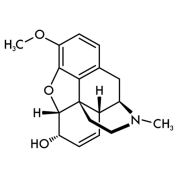
Codeine
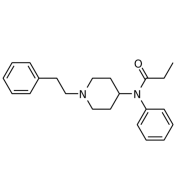
Fentanyl
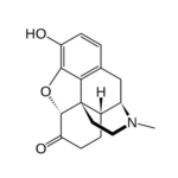
Hydromorphone
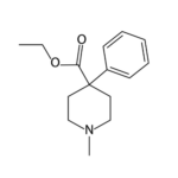
Meperidine
What We Offer
Suboxone is a brand name medication commonly prescribed by clinicians to treat opioid use disorder.
Appointment
Schedule your appointment with our experts today!
Is There A Way To Identify Opioid Use Disorder?
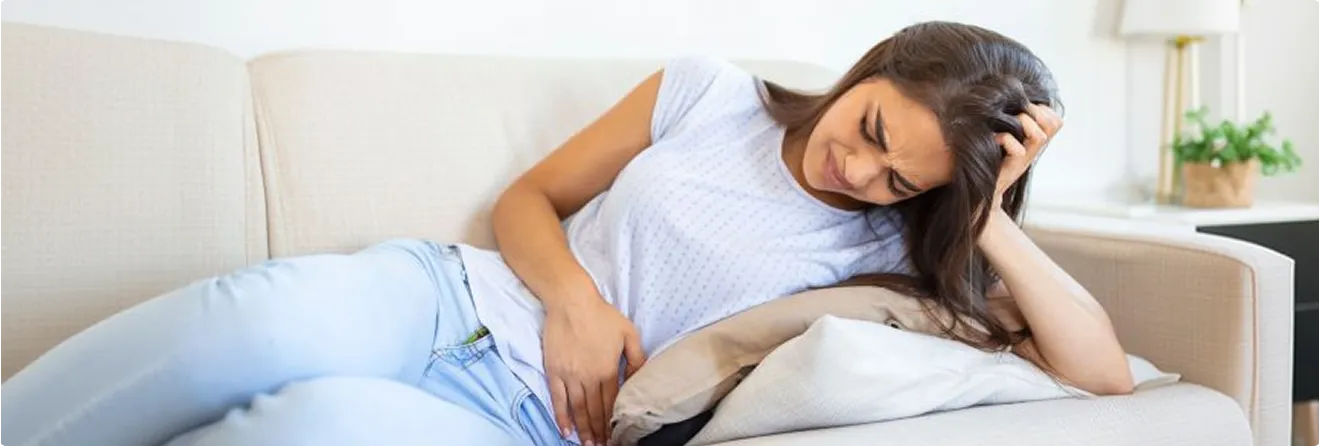
There are specific physical and behavioral changes that occur over time due to opioid overuse, including
Physical Change

Restricted pupil

Shallow breathing

Nausea, vomiting

Constipatio

Continuous scratching

“Track marks” or scars from use of needle

Suddenly nodding off or losing consciousne

Drowsiness, lacking energy
Withdrawal Symptoms?
Although short-term intake of opioids does not show any significant symptoms, there can be visible symptoms
during its withdrawal, such as,
Muscle Aches

Anxiety & Restlessness

Tears & Runny nose

Blurry vision
Is There A Way Of Treating Opioid Addiction?
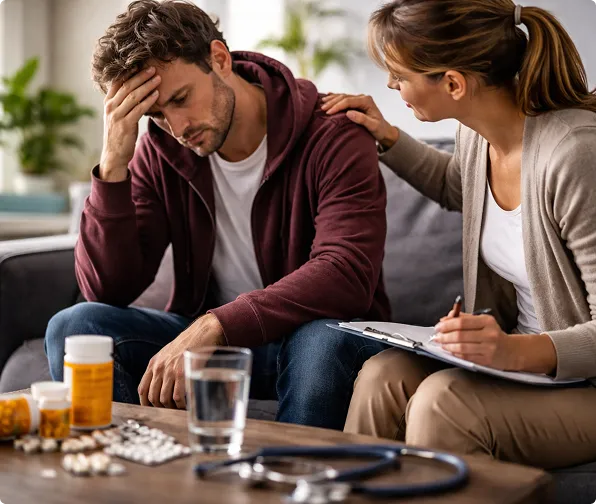
Opioid addiction is a major issue affecting millions of individuals in the United States. The good news is that with effective opioid addiction treatment, most people can overcome their addiction and reclaim their lives. Our goal at the Addictionology Center is to provide comprehensive and personalized opioid addiction treatment to everyone who needs it. Our team of experts will work with you to create a customized plan that addresses your unique needs and goals. Whether you need support during opioid detoxification, behavioral therapy, or ongoing medication-assisted treatment, we have the resources and expertise to help. Don’t let opioid addiction control your life any longer. Take the first step toward recovery, and contact us today to learn more about our opioid addiction treatment programs. Our team is here to support you and provide the tools and resources you need to overcome opioid addiction and achieve lasting recovery. Invest in your future and choose opioid addiction treatment at the Addictionology Center.
Our Service
We present to you a wide range of services that guide you throughout your journey of de-addiction.

Our Program

In-Person Treatment
Medication Assisted Treatment
Dual Diagnosi
Outpatient
Suboxone

Our Therapie
Individual
Grou
Behavioral
Solution Focused
Trauma EMDR
Why Get In Touch With Us ?
Addictionology Center offers you the uniquely designed In-Person Addiction Program, Behavioral Support & Medication Assistance that covers you comprehensively. There is an overwhelming fear that those coming for guidance have a slight chance at recovery, a better life, and everyday existence. They believe they cannot achieve the benefits described to them. Many people believe they are unique from those who have attained a better quality of life. They are unable to visualize life without booze or drugs. These same people have been led by us to places they never imagined were possible. Over time, these people understood that every service provided serves a purpose and that they could greatly improve their lives by simply cooperating with their team and abiding to the plan they helped develop.
Accessible
You detoxify at home, in a familiar environment and with your provider’s support, rather than in a facility — while your medical visits take place at our St. Louis clinic.
Convenient
Our St. Louis clinic offers appointment times that work around your job and your family.

Personalized
Our in-person program offers a customized addiction treatment plan tailored to your specific needs, helping you to achieve the best possible outcome.
Frequently Asked Questio
Can I switch from Methadone to Suboxone?
We can help you transition from Methadone to Suboxone, just as long as you are currently on 40mg or less of Methadone. If you are currently taking more than that, we would need to wait until your dose is less than 40mg to start your treatment. It is dangerous to switch from a high dose of Methadone to Suboxone, because there is too much of a difference in dosages. The side effects can be dangerous. Contact us when you are ready to make the switch!
What can I do to stop experiencing withdrawal symptoms from opioids?
Opioid withdrawal symptoms are uncomfortable, but there are opioid withdrawal treatments your medical provider can prescribe to help relieve these symptoms. Clonidine helps reduce anxiety, irritability, muscle aches, sweating, and runny nose, and hydroxyzine (Atarax) can also help with anxiety and insomnia. Tizanidine (Zanaflex) helps reduce muscle spasms. Ondansetron (Zofran) relieves symptoms of nausea and vomiting. Loperamide (Imodium) helps relieve diarrhea. Bentyl helps relieve gastrointestinal (GI) symptoms, especially abdominal cramping. And lastly, once you start the induction and stabilization phase with buprenorphine/naloxone (Suboxone), you will experience significant reduction and relief from withdrawal symptoms.
Could the drugs I take for treatment cause me to develop an addiction?
The medications used for opioid addiction treatment include Methadone and Buprenorphine. Their effect on the brain is similar to that of other opioids. However, intake of prescribed doses can reduce the risk of developing any addiction.
How long will the opioid addiction treatment take?
This is not a quick fix. It really depends on how long you’ve been using opioids for and how much you use. How well you personally respond to treatment can make a big difference as well, so it really is hard to predict beforehand and varies patient to patient. The recovery process takes time, but we will be here to help you through every part of the process no matter how long it takes! Luckily, Suboxone will curb your cravings and won’t leave you feeling foggy, so you can function very well while on the medication. In short, the process will likely be long, but worth it.
What does medication-assisted treatment (MAT) involve?
The term “medication-assisted treatment” refers to the use of medicine in combination with counseling and other forms of support to treat opioid addiction. Methadone, buprenorphine, and naltrexone are the three main drugs available to treat opioid addiction.