
Alcohol addiction treatment starts with a supervised medical detox, because stopping alcohol can be hard or dangerous without it. Then recovery goes on in our in-person program. You get medicine and support to change habits. The plan fits your health, your mind, your family and your work.
Alcoholism, often called alcohol addiction or abuse, is a medical condition. It comes from drinking too much and being unable to control long-term drinking. Alcohol abuse can be mild, moderate or severe. Each level has effects that harm health and get in the way of home and work life. If it is not caught in time, or is left alone, it can take a terrible turn. It can lead to coma or death.
What causes alcohol addiction?
The causes of alcoholism are still unclear. But the disorder comes from chemical changes in the brain. These changes make drinking feel good, which drives the urge to feel that way again and again.

Genetics: family history of alcohol abuse
Early childhood traumatic events
Attempts to relieve emotional pain
Experienced physical or sexual suffering
Mental health issues include anxiety, grief, depression, eating disorders, etc.
Post-traumatic stress disorder
Stomach bypass surgery to treat obesity (Roux-en-Y)
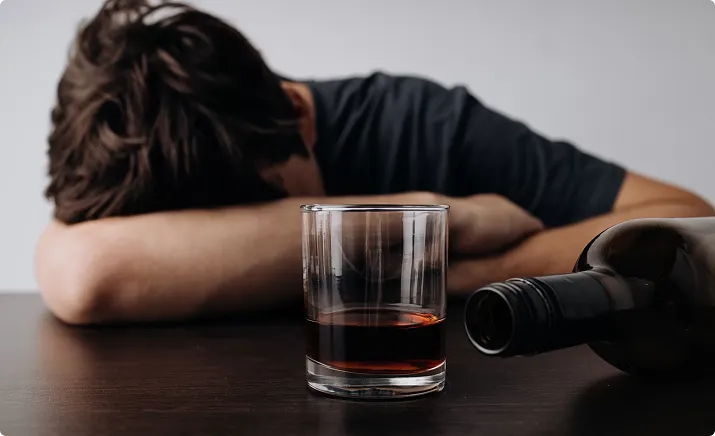
What are the dangers of alcohol addiction?
Numbers show that about 14.5 million Americans age 12 or older are addicted to alcohol. That is a serious concern. Studies have shown several deadly effects of alcohol use disorder. A few of them are listed below:
Brain damage (including dementia)
Depression or despair
Suicidal instincts
Cancer (breast, liver, mouth, and colon cancers)
Fetal Alcohol Syndrome
Accidents and unexpected injuries
Liver problems (like cirrhosis, hepatitis, fatty liver, etc.)
Blackouts, assaults, DUI, homicide, etc.
What is the difference between alcohol tolerance and dependence?
Tolerance to liquor builds when a person no longer feels the same high from drinking. This happens because the brain has gotten used to alcohol. Someone with tolerance will not feel as drunk from the same amount as before. So they need more drinks to get the effect they want. Hard liquor has more alcohol than beer or wine, so a person with tolerance may choose it instead. Or they may turn to shots of grain alcohol to get drunk faster.
If these habits go on, real changes in brain cells are likely. Those changes lead to dependence. They also bring on withdrawal symptoms when drinking stops.
A person has alcohol dependence if they only feel normal after drinking. When they stop, they get unpleasant and sometimes deadly withdrawal symptoms. Heavy drinkers often find it hard to quit or cut back because of withdrawal. Addiction is the ongoing use of a drug or alcohol despite harm. Alcohol dependence can then lead to addictive behavior. People with addiction may have trouble at home, school or work, but they cannot stop. They may suffer serious medical or mental health effects, yet the drug-seeking goes on.
How does alcohol addiction affect your body?
Alcohol is a central nervous system (CNS) depressant, meaning it slows the brain and nerves. But it hits both the body and the brain hard, in different ways.
- Brain
- Heart
- Liver
- Pancreas
- Cancer
- Immune System
Drinking disrupts the brain’s signal pathways. It blocks natural chemical messengers and changes how the reward circuits work. The result is sudden mood swings, harmful changes in behavior, and trouble thinking and acting clearly.


Heavy drinking stretches and weakens the heart muscle. This is called cardiomyopathy. It also raises the risk of an irregular heartbeat, high blood pressure and strokes.


Liver swelling is a common effect of regular, heavy drinking. A few related diseases include:
Fatty liver (also known as steatosis)
Alcoholic hepatitis
Fibrosis and Cirrhosis

The pancreas plays a key role in digestion. Alcoholism floods the body with toxic substances. These make blood vessels swell and slow down the digestive system. In many cases, this also causes pancreatitis (a swollen, inflamed pancreas).
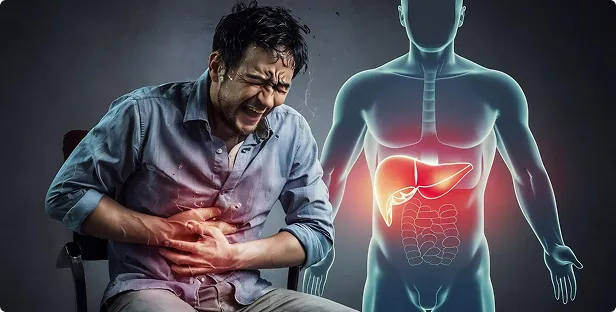

Data from 2009 shows alcohol caused 3.5% of cancer deaths in the United States (nearly 19,500 deaths). Alcohol is proven to cause many cancers. Reports show some cancers come back in people addicted to alcohol:
Head and neck cancer
Liver Cancer
Breast Cancer
Colorectal Cancer
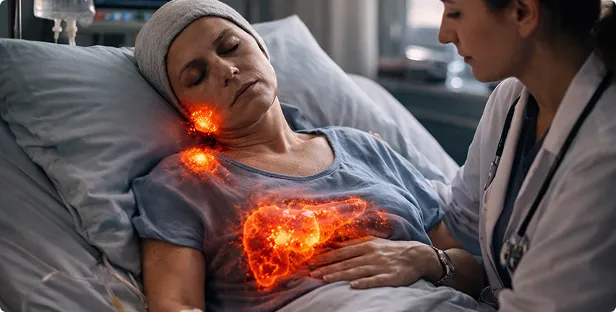

Too much alcohol can wear down your immune system. That leaves your body an easier target for disease. Long-term drinkers are far more likely than non-drinkers to get pneumonia and tuberculosis. Heavy drinking at a single event can weaken your body’s defenses for up to 24 hours afterward. Over time, drinking too much can badly drain your health.
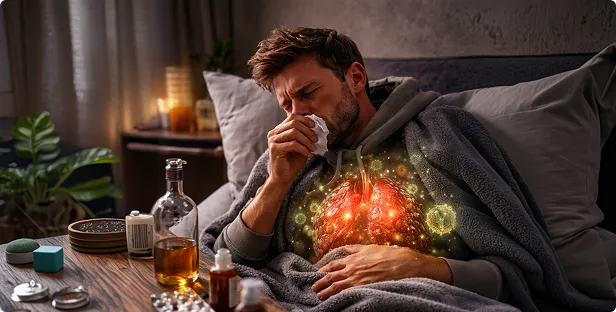

Alcohol Use Disorder
Under the American Psychiatric Association’s guidelines, a patient must meet at least three of these signs within 12 months to be diagnosed with an alcohol problem:
Tolerance to alcohol
A gradually growing amount of alcohol must be required to feel the effects.
Symptoms of withdrawal
Stopping drinking alcohol causes unpleasant symptoms such as nausea, vomiting, agitation, and anxiety.
An individual with an alcohol addiction cannot control how much alcohol he consumes

Withdrawal Symptoms
A person addicted to alcohol will likely have some distressing withdrawal symptoms if they stop suddenly or cut back sharply. A few of the symptoms include:
Tremors
Insomnia
Delirium Tremens (DTs)
Nausea or Vomiting
Anxiety
Our Services
We offer a wide range of services to guide you through your whole path to recovery.

Our Programs
In-Person Treatment
Medication Assisted Treatment
Dual Diagnosis
Outpatient
Suboxone

Our Therapies
Individual
Group
Behavioral
Solution Focused
Trauma EMDR
Get a Plan. Get Your Life Back.
Recovery starts with a clear plan and the right support. Our approach looks at the whole picture. That includes your health, your mental well-being, your family life, your work and your personal struggles. Then you can move forward with confidence.
Why Get In Touch With Us?
Addictionology Center offers you our specially designed In-Person Addiction Program, Behavioral Support & Medication Assistance, which covers you fully. People who come to us for help often fear they have only a slim chance at recovery, a better life and a normal day. They believe they cannot reach the results we describe. Many believe they are different from people who have built a better life. They cannot picture life without booze or drugs. We have led these same people to places they never thought possible. Over time, they saw that every service has a purpose. By working with their team and sticking to the plan they helped build, they greatly improved their lives.
Enrollment
Call our enrollment coordinator. If we can meet your treatment needs, we will schedule your first visit with one of our medical providers.
Appointment
At your first visit, the provider will examine you. Together you will build a treatment plan around your health history and your goals.
Induction
If the provider finds it right for you, you will then start your induction to beat your cravings. To make the process easier, we prescribe a set of comfort medicines picked for you.
Treatment
Throughout your treatment program, our providers will support you with regular visits at the clinic. Drug screens may be done monthly, or more often as needed.
Frequently asked questions
Is Alcoholism Treatable with Just Detox?
Alcohol detox can be hard on the body or even dangerous without proper care. A supervised medical detox keeps you safe and as comfortable as it can. But detox alone is not enough. A long-term recovery plan must follow it. After detox, you may be advised to join a live-in or day program to keep up your recovery.
Is There a Cure for Alcoholism?
Opioid withdrawal is hard, but your provider can prescribe drugs to ease it. Clonidine helps with anxiety, irritability, muscle aches, sweating and runny nose. Hydroxyzine (Atarax) can also help with anxiety and sleep. Tizanidine (Zanaflex) eases muscle spasms. Ondansetron (Zofran) eases nausea and vomiting. Loperamide (Imodium) helps stop diarrhea. Bentyl eases gut (GI) problems, above all stomach cramps. And once you start buprenorphine/naloxone (Suboxone), your withdrawal will drop sharply.
Can Alcoholism Be Called a Disease?
Alcohol Use Disorder (AUD), also called alcohol addiction, is a long-term condition. It counts as a mental health condition, like other drug and alcohol disorders. It can raise blood pressure and harm the liver. It can make mental health worse. It can also cause serious heart problems, birth defects and more.
Is it okay to quit drinking all at once?
If you or a loved one has an alcohol use disorder, do not stop drinking all at once. Withdrawal symptoms can turn severe if you quit suddenly. That hurts your chances of getting better and puts your life at risk.
Are Professional Treatment Programs Required to Recover from Alcohol Abuse?
No one should ever try to manage substance misuse treatment alone. With milder alcohol problems, people can stop drinking. But with more serious disorder, withdrawal symptoms can strike without expert care. Severe withdrawal can be dangerous and can make treatment hard to finish. Yes, a person can recover from AUD at home in some rare cases. But no one should ever get substance abuse treatment outside of a structured process.
What Is the Duration of the Treatment?
Recovery is a process, not a one-time event. Treatment uses a series of therapies to help you stay in recovery. Give yourself enough time to heal in body and to absorb the skills you learn, during the process and after. Each case is different. After checking your condition, your medical provider will suggest how long your treatment should last.
Are depression and alcoholism related?
Alcohol and depression are tied together in a tangled way. Often, a person who has been depressed for a long time drinks to feel better. Others start to feel depressed because they drink so much.
What’s the best treatment for alcohol addiction?
The treatment that works starts with a supervised medical detox, so withdrawal is safe and as easy as it can be. Then recovery goes on in our in-person program. There, medicine is paired with support to change habits: one-on-one, group, behavior, problem-solving and trauma (EMDR) therapy. Your plan fits your health, your mind, your family and your work. Detox alone does not keep someone sober.
What symptoms do you have when you stop drinking alcohol?
When a dependent drinker stops suddenly or cuts back hard, the brain that has adapted to alcohol pushes back. Common withdrawal symptoms are shaking, trouble sleeping, nausea or vomiting, agitation and anxiety. The most serious is delirium tremens (DTs). Withdrawal can be unpleasant and, in severe cases, deadly. That is why we do not advise quitting all at once without medical supervision.
How do you detox alcohol from the body safely?
Safely means supervised. A medical detox lets your provider manage withdrawal as it happens. That keeps discomfort down and keeps you safe. But detox is only the first step. Once it is done, you move into ongoing care, with medicine and behavioral support. That way the brain changes that drove the drinking get treated too, not just the alcohol in your system.
Is alcoholism a mental illness?
Yes. Alcohol use disorder is a long-term medical condition. It counts as a mental health condition, just like other drug and alcohol disorders. It is diagnosed when a person meets at least three signs within 12 months. Signs include needing more to feel it, withdrawal, and not being able to control how much they drink. It often comes with depression, so we treat both together.
Sources
- Jonas DE, Amick HR, Feltner C, et al. Pharmacotherapy for adults with alcohol use disorders in outpatient settings: a systematic review and meta-analysis. JAMA. 2014;311(18):1889-1900. PMID 24825644 · DOI 10.1001/jama.2014.3628.
- Schuckit MA. Recognition and management of withdrawal delirium (delirium tremens). N Engl J Med. 2014;371(22):2109-2113. PMID 25427113 · DOI 10.1056/NEJMra1407298.