Summary: Researchers have long known that dementia is caused by the disruption of synaptic connections in the brain. They also know that these disruptions have a lot to do with changes in the brain’s immune system, that is functioning of microglial cells. Studies show that antianxiety drugs may alter the working of microglial cells, and thus lead to mitochondrial dysfunction in neurons, and thus leading to dementia. This is one of the contributing factors to the rise of dementia. Understanding this mechanism may help find effective treatment or preventive measures for dementia.

The rise in the prevalence of certain brain disorders has puzzled researchers. For example, if the prevalence of anxiety is relatively easy to explain, science has been finding it hard to explain the epidemic of dementia.


Most people would experience anxiety during their life. Many of them would suffer from severe anxiety. It has much to do with modern lifestyle choices. Many of these individuals would need to seek medical treatment. However, new studies suggest that antianxiety drugs might be contributing to the risk of dementia.


Understanding the factors behind the risk of dementia is vital, as it has become a major health threat in the western world. In addition, science knows that human genetics have not changed significantly in the last hundred years. Thus, an increase in dementia has much to do with lifestyle and environmental changes.


It is quite likely that some of the drugs people are using to manage various common ailments might increase the risk of dementia. One such drug used commonly is an antianxiety medication like diazepam.


A study sheds light on how antianxiety drugs might increase the risk of dementia


Before trying to understand the latest finding, there is a need to understand that the brain’s activity depends on the neurons and the connections between them. These connections are called synapses. If the connections between the neurons are lost or damaged, it causes cognitive decline.


Although people know a lot about the working of neurons, most people do not realize that the most common cells in the brain are not neurons but glial cells. These cells act as connective tissues, form immune cells, provide vital nutrients to neurons, and more. In addition, glial cells provide support to neurons so they can stay healthy.


New studies suggest that antianxiety drugs not only act on neurons but also affect the working of microglial cells. Microglial cells form the brain’s immune system and play a vital role in maintaining neuronal connectivity.


It seems that antianxiety drugs may influence microglial cells, thus negatively impacting the neurons, particularly their connections with each other or synapses.


To understand how antianxiety drugs may influence the working of the brain, researchers focused on the protein called “Guwiyang Wurra.” This protein plays an important role in mitochondrial energy generation in neurons. Therefore, disrupting this protein would cause mitochondrial dysfunction, thus the malfunctioning of neurons.


A new study found that antianxiety drugs can affect mitochondrial energy production by knocking out the Guwiyang Wurra protein. This may ultimately lead to the breakdown of various synapses or connections. This may eventually start affecting the working of different brain centers.


Researchers have long known that antianxiety drug intake is associated with a greater risk of dementia in adults. However, they were unsure of the underlying mechanism of action.


Researchers used a special mice model developed by ANSTO known as the “Guwiyang Wurra -TSPO knockout” to prove their concept. Studies show that antianxiety drugs act by suppressing Guwiyang Wurra protein through TSPO. However, they found that if TSPO protein was knocked out or absent in the mouse, then antianxiety medicines did not cause brain damage1.


Researchers think that these findings are relevant in many ways. First, antianxiety drugs are not the only cause of dementia. Studies show that there could be many reasons for the overactivity of the brain’s immune system leading to mitochondrial dysfunction.


Studies show that prolonged fatigue, deficiency of certain nutrients, prolonged illness, and viral infections like Covid-19 can cause the brain’s immune system to behave abnormally. These changes in the working of microglial cells ultimately lead to disruption in Guwiyang Wurra. It means that finding ways like opioid addiction treatment  to prevent this disruption can help prevent mitochondrial dysfunction and help reduce the risk of dementia.
Summary: Substance abuse disorder (SUD) is a significant health problem. Drug addiction is among the leading causes of mortality in young adults. Medical specialists often struggle to treat SUD, and it has a high relapse rate. A new longitudinal study with a follow-up period of 32 years shows that those who abuse substances in adolescence are more likely to abuse substances in their older age. Thus, people are not likely to grow out of their old addiction. This underlines the importance of seeking early addiction treatment and prolonged care.

Substance abuse disorders are the leading cause of preventable morbidity and mortality in young adults. The problem of substance use disorder (SUD) is even increasing in older adults. Studies now suggest that it is something that starts in adolescence, and people are unlikely to grow out of it.

SUD, or addiction to various substances, including drug addiction, is now a well-studied phenomenon. It is a problem of colossal scale. What is worrisome is that there are no signs that people are anywhere close to overcoming this problem. It remains a major health problem, and even worse are the findings that its prevalence continues to increase.

Treating teenage drug and alcohol abuse is challenging, and there are high relapse rates. Thus, there is a need to counter the problem in its early stages. Hence, it is vital to prevent or manage SUD in adolescents and young adults.

Generally, as people grow older, their habits and preferences change. Therefore, they are pretty likely to give up certain habits. However, the new findings published in the journal JAMA are worrisome, as they indicate that people are not likely to grow out of the problem of SUD.

The findings of the study done by the New University of Michigan are pretty grim. It has been quite a long study with a follow-up period of 32 years. The study found that most of those addicted to various substances at the age of 18 were still suffering from SUD, even after three decades.

Some of the significant findings of study were:

  • The study found that addiction problems or SUD was common in adolescents, with 12% living with severe symptoms.
  • The follow-up study found that those with severe SUD were more likely to abuse substances or suffer from addiction as adults.
  • This relationship between SUD at an early age and the risk of addiction later in life was more visible in those addicted to alcohol, cannabis, and other drugs in their adolescence.
  • Most adults prescribed medications like opioids, sedatives, and benzodiazepines were those living with SUD during their adolescence.

Experts say this is a wake-up call, as it shows that the problem of SUD starts quite early and continues to affect people for the rest of their lives. Furthermore, it means that treating addiction at a young age is of significant importance, as preventing addiction in those living with SUD in adolescence is quite challenging.

Another issue is the choice of medications. Many medications used to treat alcohol and opioid addiction may also increase the risk of SUD later in life. Thus, people treated with anti anxiety drugs, painkillers, and given sedatives at a young age are also more likely to develop SUD later in life.

It also underlines the importance of history taking when treating older adults living with SUD. Knowing more about their past habits and what medications they took as young adults is vital.

The study also found that most people living with SUD did not seek opioid treatment. Thus, educating people and raising awareness of the topic is also necessary. This education regarding the health risks of addiction must continue through adulthood.

Additionally, people with a history of abusing multiple substances during adolescence must be treated as high-risk individuals. These are the people who are pretty likely to misuse drugs later in their life.

Further, experts recommend that there is a need to find innovative ways of preventing SUD in older adults. For example, health insurance may include other services aimed at preventing and treating relapse later in life.

This study clearly highlights the importance of long-term follow-up of individuals who were treated for SUD as young adults. Such individuals should get continuous education and care during their adulthood.

Summary: It is no secret that human behavior changes with aging. Generally, people become more generous and start participating in charity. Early studies suggest that oxytocin release is associated with better social behavior and higher generosity. However, most hormone levels decline with aging. But a new study shows that this is not true for oxytocin. Instead, it is among the hormones released in greater amounts in older adults, which explains why people tend to have greater satisfaction with age.

It is known that as people age, they become calmer and start to look at things differently. Overall, they are more likely to be satisfied with life, help others, and more.

Needless to say, these changes in human behavior have to do with many age-related changes. One of the most significant changes that occur with aging is the altered level of various hormones, neurotransmitters, and, thus, behavior.

Despite the known behavioral differences between young adults and mature people, understanding the cause of these changes is quite challenging. After all, these changes in human behavior occur due to many reasons.

Researchers are especially interested in hormonal changes that occur in the human body with aging, thus making them more satisfied with life. Understanding these hormonal changes may help find treatments for certain mental health disorders in older adults. It may also help develop more profound insight into human behavior.

The new study identifies the hormone that makes us more satisfied as we age

It is a hormone called oxytocin. Researchers have long known its influence on human behavior. It is long known that it plays a vital role in social behavior, and this particular hormone makes us kinder. It also helps prevent negative emotions. However, how oxytocin works remains elusive.

But this study published in the journal Frontiers in Behavioral Neuroscience is the first to show how the levels of these hormone change with aging and that these changes have much to do with age-related behavioral changes.

The study found that oxytocin levels increase with aging. This is an interesting finding in the way that most hormone levels decline with aging. For example, there is a consistent decline in sex hormones with aging.

Not only that, but the study also found that those with higher oxytocin release tend to be generous. They are more likely to help others. Oxytocin level is associated with how much a person participates in religious activities and gratitude.

In the study, researchers recruited 100 people aged 18 to 99. The study showed the participants the video of a young boy suffering from cancer. After showing them the video, they took their blood to measure changes in oxytocin level.

The study also encouraged participants to donate some of their earnings to the Childhood Cancer Study. This was done intentionally to understand their emotional state and its relation to oxytocin level.

The study found that those with higher oxytocin release were more generous in donating to charity. In addition, they were more interested in helping others. This was the first study that demonstrated a direct link between generosity and oxytocin release.

The study also found that oxytocin release tends to be higher in older adults. This explains why they tend to participate more in charity and have greater belief in traditions and different philosophies. In addition, higher oxytocin release causes an increase in empathy and gratitude.

This study definitely added to some of the pre-existing knowledge regarding the role of oxytocin in human behavior. It also forms the basis for future studies. There is now a need to carry out better-designed research in greater sample size and more diverse population group.

Additionally, there is also a need to understand the long-term influences of higher oxytocin release.

Nonetheless, this study suggests that hormone therapy may have an important role in managing behavioral disorders. It may even have a role in managing specific mental health issues.

Summary: Alcohol consumption is common, but only a few people are prone to alcohol addiction or alcohol use disorder (AUD). These are often people with some emotional deficit and struggle to control their alcohol intake. It appears that altered gut microbiota can also alter emotional responses and thus increase the risk of AUD. These alterations may occur due to various reasons. New studies confirm that gut microbiota is altered in those living with AUD. Hence, normalizing gut microbiota along with telehealth treatment can be one way to manage alcohol addiction.

In the last few decades, researchers have given significant attention to billions of bacteria and fungi living in the human body, particularly in the gut. These beneficial bacteria and fungi in the gut are called microbiota. There are more of these tiny organisms in our body than the total number of body cells. It means that these billions of microbes must be playing some essential role in human health.


When it comes to the role of microbiota, science has still only scratched the surface. However, researchers know that humans have evolved in a way that they cannot live a healthy life if the population of microbiota is disrupted. Microbiota produces nutrients, vitamins, hormones, and other biologically active compounds.


Further, it seems that the gut plays a vital role in the brain’s health and microbiota in the gut’s health. For example, the gut produces 90% of serotonin, an important neurotransmitter, which plays a significant role in brain functioning and mental health. However, the gut also produces other neuropeptides. Thus, researchers call this gut and brain relation “the gut-brain axis.” Since microbiota can significantly influence this axis, the researchers have coined a new term, “microbiota-gut-brain axis.”


It seems that microbiota play a vital role in the production of many bioactive compounds that can influence the working of the brain. Thus, changes in microbiota may increase the risk of mood disorders and various mental health issues and may even play a role in alcohol addiction.


In one of the recent events, The FENS Forum 2022, some of the leading neurologists discussed their findings regarding how gut microbiota alterations may promote alcohol addiction. They presented their findings in the panel session – “Unravelling the role of the gut microbiome in addiction.”


The gut and the binge drinking


The studies show that one is more likely to see changes in gut microbiota in those who engage in binge drinking. It seems that altered gut microbiota can affect emotional responses and promote impulsivity.


Stress, microbiota, and alcohol dependency

Another opinion shared by Dr. Benjamin Boutrel was that stress causes changes in the gut microbiota in some individuals. And animal experiments suggest that these people often suffer from severe alcohol dependency.


Gut microbiota, hormones, and alcohol dependency

Dr. Lorenzo Leggio presented the findings in which he outlined the role of altered levels of the “hunger hormone,” ghrelin, in developing alcohol dependence. In addition, it appears that changes in gut microbiota may also alter ghrelin levels in the body.


Transplanting gut bacteria to explore their role in alcohol use disorder (AUD)

In yet another presentation, Pr. Nathalie Delzenne presented the findings from the research done by her team at UC Louvain. Science knows that people living with alcohol use disorders (AUD) have some emotional issues or deficits. By planting the bacteria from people living with AUD to lab mice, she could demonstrate the role of altered microbiota in changed emotional responses and AUD.


There are exciting times as researchers are exploring an entirely new way to treat alcohol use disorder (AUD), that is, by focusing on normalizing the gut microbiota. However, this also highlights the importance of diet and nutrition, particularly dietary fiber, in managing AUD.

Summary: About 5% of US adults are living with alcohol use disorder (AUD). However, only one-fifth of them ever seek treatment for the condition. People do not seek treatment as they dislike treatment modalities, hence the need to find new treatments for AUD. The new study shows that yoga and aerobic exercises can control cravings and reduce alcohol intake.

Alcohol consumption is pretty common in the US and globally. In the US, 70-80% of adults drink alcohol quite regularly. In addition, about 5% of adults in the US are living with alcohol use disorder (AUD). It means that they are addicted to alcohol, frequently abuse alcohol, and engage in binge drinking.

As one can see that only a small fraction of those who consume alcohol are living with AUD, a kind of mental health disease. Though researchers are unsure of why some develop this condition, they think it is due to some intrinsic differences.

AUD is associated with significant mortality. It is among the leading causes of death in young adults. Not only that, but AUD also causes numerous other health issues. Those living with AUD are also more likely to be living with anxiety and depression. In addition, AUD often occurs with other issues like tobacco abuse.

Barriers to seeking help

Though there are many effective ways to treat AUD, like psychological therapy, cognitive behavioral therapy, and medical drugs, but many do not seek AUD treatment. Studies show that no more than 20% of those living with AUD will ever seek medical help.

It appears that there are many reasons why people do not seek medical help, like the stigma attached to the condition. Some are dissatisfied with the existing therapies. Many people will not like to spend time in opioid addiction treatment centers. Others are discouraged by the side effects of medical drugs. All this means there is a need to find treatments with greater acceptability. A kind of treatment that is more readily accessible to millions of adults living with AUD.

Yoga and aerobic exercise may help reduce alcohol consumption

In the new study, researchers tested the role of aerobic exercise and yoga in reducing alcohol intake. They carried out a study on 140 adults living with AUD. They divided them into three groups: one group doing yoga, the second group doing aerobic exercise, and the third group were given standard treatment. They were asked to engage in exercise a minimum of three times a week, and the study continued for 12 weeks.

To monitor their patients, doctors used various blood tests and accelerometers. They found that alcohol consumption was reduced significantly in all three groups. However, they found the most significant reduction in the yoga group. In addition, they found that yoga was not inferior to usual AUD treatment, and aerobic exercise of just slightly less effective.

However, it is worth understanding that the benefits of yoga and aerobic training were not limited to reduced alcohol intake. These interventions also resulted in reduced anxiety and improved mood. They also found that exercise was good for reducing alcohol cravings. The impact of exercise was especially high for the next few hours.

Thus, researchers think that the best time to engage in yoga and exercise is at times when the craving is maximum. Hence, it would be good to engage in exercise in the afternoon or in the evening. This will help counter cravings and thus reduce alcohol use.

Researchers say that there could be many ways in which exercise helps. For example, exercise appears to make people feel good and thus can modulate dopaminergic or reward pathways. Exercise can also help by boosting self-esteem.

Summary: Medical researchers increasingly realize the role of inadequate sleep in the rising prevalence of physical and mental illnesses. However, a new study suggests that sleep deprivation may affect human perception. It may negatively affect people’s ability to interpret other people’s emotions. Sleep-deprived individuals are also more likely to view others as less trustworthy and attractive. Thus, insufficient sleep may affect people’s emotional states and negatively affect interpersonal relationships. This may contribute to the falling mental and physical health.

Researchers have been paying significant attention to insufficient sleep as an independent risk factor for metabolic health disorders and mental health issues in recent years. Therefore, understanding the role of sleep-in health is vital. After all, it is among the modifiable risk factors.

Healthcare experts are puzzled by the rise of so many sleep deprivation health effects, which are non-communicable (non-infectious), like Alzheimer’s, depression, chronic pain conditions, and more. However, they know this rise definitely has to do with changing lifestyle choices. Moreover, this change has been particularly brisk in the last few decades.

Studies suggest that the human body must spend about one-third of its time resting. Thus, most experts believe that people should try to have sound sleep for at least 7 hours each day. It is not difficult to achieve, but most people struggle to achieve this health target.

Experts also warn that just lying on the bed or watching television is not counted as good rest. In addition, time spent on the bed changing sides is also not counted as sleeping hours.

There is now significant evidence that insufficient or poor-quality sleep plays a significant role in the development of various health problems. For example, it is causing an epidemic of mental health problems. And now, a new study suggests that insufficient sleep may even interfere with our perceptions, causing trouble in our relations with other people.

Sleep deprivation alters our perceptions and how we interpret emotions and people

For humans, the face provides much information and plays a vital role in both verbal and non-verbal communication. If verbal communication is relatively straightforward to interpret for a healthy mind, interpreting non-verbal communication, state of emotions, is more complex.

A new study suggests that sleep deprivation may make it difficult for individuals to focus on others and interpret their emotional states. This may negatively impact their relationships with others, thus adversely affecting their quality of life.

The experiment was pretty simple. Researchers enrolled 45 young adults in the study. They were completely deprived of sleep for a night and then shown images of happy, fearful, angry, and neutral faces. A similar kind of experiment was repeated, but after having a good night’s sleep.

Experts expected that sleep deprivation would force people to gaze longer at the images to interpret the represented emotional state. However, they were amazed at the opposite results. In fact, sleep-deprived individuals focused less on the images showing various emotions.

Additionally, participants were also asked to evaluate the people in the images. Researchers found that when sleep deprived, individuals were more likely to classify other people as less trustworthy and attractive.

Along with the physical effects of sleep deprivation, it can also reduce an individual’s ability to interpret the emotions of others. Moreover, sleep-deprived individuals were more likely to have negative views of others. All this means that individuals with sleep deprivation are more likely to suffer from stress and mental health issues, especially in the long term.

Conversely, sufficient and sound sleep can ensure a good mood, a better interpretation of other people’s emotions, and a more optimistic outlook. This would eventually have a positive impact on interpersonal relationships and mental health.

Thus, if you are feeling stressed or struggling with relationships, it is quite likely that you might be showing the symptoms of chronic sleep deprivation. Sleep therapies and telehealth treatment can not only help improve sleep but also help enhance physical and mental well-being.

Summary: Despite a significant decline in cigarette smoking rates in the US, cigarette smoking remains the leading cause of preventable deaths. It is known that those who smoke experience craving in the morning after a night-long withdrawal. Those who smoke also prefer to have a cup of coffee in the morning. A new study shows that coffee contains organic compounds that can act on nicotine receptors in the brain and thus help overcome nicotine cravings.

Though cigarette smoking has declined in the US, it remains the leading preventable cause of death, accounting for about half a million deaths each year. Smoking rates have fallen in the US from 20% in 2005 to about 12.5% in 2020.

However, the picture is not as rosy, as new threats keep emerging. Though cigarette smoking is on the decline, but more young adults are vaping now. Many vaping juices contain significant amounts of nicotine. Such vaping liquids are much safer than cigarette smoking. Nonetheless, they are still harmful. Moreover, they also tend to cause nicotine dependence.

Nicotine craving is especially acute in the morning. It is because many people are addicted to nicotine and are psychologically and physiologically dependent on nicotine. In addition, nicotine causes certain changes in the brain. Hence, people addicted to nicotine find it challenging to start their day without their dose of nicotine.

For those struggling with painkiller addiction, seeking help through a suboxone program can be beneficial. While cigarette smoking rates have decreased, opioid addiction treatment and other substances continues to pose a significant health threat. Seeking painkiller addiction help through a suboxone program can provide individuals with access to medication-assisted treatment and behavioral therapies, which can increase the likelihood of successful recovery. It’s important to seek help as soon as possible, as painkiller addiction can have serious consequences for physical and mental health, as well as personal and professional relationships.

Many people who smoke regularly may have a cup of coffee in the morning. They report that having a cup of coffee in the morning helps them feel refreshed. Most people are researchers have assumed that these benefits are due to coffee’s caffeine content. However, a new study shows that these benefits might also be due to other molecules present in well-roasted coffee.

The need to smoke a cigarette in the morning is especially acute due to the brain’s nicotine receptors dysfunction caused by night-long nicotine withdrawal. A new study now shows that the benefits of a cup of coffee are not merely due to caffeine. It contains other compounds that may help overcome nicotine receptor dysfunction. In the new study, researchers have identified a molecule in a coffee that can act on nicotine receptors. The new study was published in the journal Neuropharmacology.

Researchers say that it is well known that many heavy smokers like to have a cup of coffee in the morning along with a cigarette, and they report experiencing increased relief. Nevertheless, this association between coffee and cigarette smoking remains poorly studied.

In a new in vivo study, researchers identified two new ways in which coffee may help overcome nicotine cravings. First, they applied the roasted coffee solution to the cells that express specific nicotine receptors. The researchers found that choline in coffee can affect α7 receptors, and another compound in coffee called n-MP can affect α4β2 receptors.
They found that the n-MP compound found in coffee was especially good at modulating nicotine receptors.

This is among the first studies to show that a cup of coffee in the morning is not just about caffeine. In addition, it is the first study to show that coffee can help overcome nicotine cravings in more than one way. Moreover, it could identify the underlying mechanism. Finally, it shows that there are multiple benefits of having a cup of coffee in the morning.

Researchers said they were intrigued by the fact that smokers prefer having a cup of coffee in the morning and like to combine smoking with alcohol in the evening. Although the influence of alcohol on nicotine receptors is well understood, the influence of coffee on nicotine receptors remains poorly understood.

Many health effects of coffee remain poorly understood since studies mostly focus on caffeine, or many assume that all coffee’s effects are due to its caffeine content. Although, it is no secret that other caffeine-rich beverages do not have similar effects to coffee.

Thus, now it is evident that there is more to a cup of coffee, and it should not be viewed as merely a source of caffeine. It also seems that a cup of coffee in the morning may help reduce cigarette cravings and thus have a role in managing nicotine addiction.

It is our mission to bring real hope and transformational change to patients who would otherwise be consigned to a lifetime of medications, doctor’s visits, and suffering. We expose misaligned incentives and return the power of health to the individual. We believe empowered individuals change their communities. We use a combination of lifestyle intervention, medication management, and emerging scientific research to help our patients. When you are ready or have questions, reach out.

Medical Disclaimer: Keep in mind that the content provided is not direct medical advice for patient care, but is provided for thoughtful discussion.

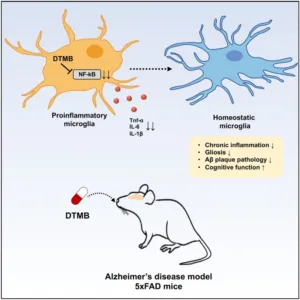
Summary: In recent years, researchers have started realizing that Alzheimer’s shares many traits with other metabolic disorders. It appears the metabolic changes in the body cause microglial dysfunction, inflammation, and thus amyloid-beta protein accumulation and Alzheimer’s. Therefore, the new study in mice models shows that using PPAR agonists may help prevent and even reverse early Alzheimer’s.

Already more than 6.5 million US adults are living with Alzheimer’s. However, what is even more worrisome is that prevalence of Alzheimer’s is increasing. Alzheimer’s causes not only premature death but also years of disability.

Despite more than a century of research, researchers are still struggling to answer various questions regarding Alzheimer’s. It is unbelievable that despite so much research, doctors know very little about Alzheimer’s.

They do not know what causes Alzheimer’s. They even do not know much about the disease’s progress. That is why they are unable to find a remedy that may help prevent or considerably treat the condition.

Of course, they know that Alzheimer’s is caused by the accumulation of misfolded proteins, that is, amyloid and tau proteins. However, they still do not know why it occurs and at what stage it starts happening.

When it comes to the causes of Alzheimer’s, they remain unclear. This only suggests that Alzheimer’s probably occurs due to many reasons like genetics, aging, exposure to toxins, infection, and metabolic disorders. Some of these causes are preventable, others not.

Since Alzheimer’s is rising at an alarming rate, researchers think that it has a strong association with metabolic disorders. Moreover, since metabolic disorders like diabetes are also rising at an alarming rate, some experts call it “type 3 diabetes”.

Now some researchers think that metabolic disorders might be the prime cause of Alzheimer’s. So reducing the prevalence of metabolic disorders may also help minimize Alzheimer’s.

Another vital development in recent years has been the shift of focus from neurons to glial cells. Glial cells are more abundant in the brain and play an important role in the brain’s immunity and inflammation. Thus, researchers think they have been focusing on the wrong cells all these years. It is glial cell dysfunction due to metabolic changes in the body that is causing the accumulation of faulty proteins and, thus, dementia.

From studies in diabetes and other metabolic disorders, researchers know that peroxisome proliferator-activating receptors (PPAR) play a vital role in metabolic disorders. Hence, researchers are looking for potent PPAR agonists to act on these receptors. Researchers think that PPAR agonists can help reduce Alzheimer’s risk.

In the new study, researchers started testing a novel PPAR agonist called DTMB. This new chemical can suppress brain inflammation and thus reduce the accumulation of amyloid and tau proteins in the brain.

In their lab experiments in mice models, researchers noticed that DTMB lowers the production of proinflammatory cytokines by microglia, one of the most abundant immune cells in the brain.
It appears that reducing microglial inflammatory responses can help significantly. It can slow down or even prevent the accumulation of faulty proteins, thus stopping the chain reaction that occurs due to the accumulation of these misfolded proteins.

In the study, researchers found that feeding mice with DTMB for three months could help reverse many signs of dementia and could help improve memory and cognitive function. Further, they also found reduced levels of amyloid-beta protein. Additionally, they found significantly reduced brain inflammation.

Researchers think their study could be of significant value since developing PPAR agonists are relatively simple drugs. Furthermore, many drugs are already used in clinical practice that can influence PPAR. Additionally, many other molecules like DTMB are known to be quite good at it. Hence, researchers need to continue their studies in this direction.

It is our mission to bring real hope and transformational change to patients who would otherwise be consigned to a lifetime of medications, doctor’s visits, and suffering. We expose misaligned incentives and return the power of health to the individual. We believe empowered individuals change their communities. We use a combination of lifestyle intervention, medication management, and emerging scientific research to help our patients. When you are ready or have questions, reach out.

Medical Disclaimer: Keep in mind that the content provided is not direct medical advice for patient care, but is provided for thoughtful discussion.

Summary: For some people, fear of death may become disastrous, for example, cancer patients. However, overcoming this fear may help improve their quality of life. It appears that some people who had near-death experiences reported reduced fear of death. Now a study shows that psychedelics may also have similar kind of effects.


Humans aren’t immortal; thus, everyone would die one day. People are always looking for ways to prolong life. Some fear of death is normal. However, in some instances, excessive fear of death may cause harm.


For example, a person diagnosed with cancer may develop severe fear of death, resulting in mental health issues and a reduced lifespan. It means that excessive fear of death is bad for health, and it is something that doctors must manage. Though there are many ways to manage such a fear, like better communication, psychotherapy, and medical drugs, these methods often fail to help.


It would have been great if we had some medications that could reduce the fear of death. Especially something that works faster and combines well with psychotherapy. Now researchers think that one such option could be using psychedelics in terminally ill patients.


Researchers have noticed earlier that those who had a psychedelic experience or near-death experience reported reduced fear of death. This may have a positive impact on their mental health. It also provides them with meaning in life and has a spiritual significance. However, to date, these have been just observations, and thus researchers tried to explore this topic in a study.


Though there is no doubt that many people with near-death experiences and those using psychedelics have unusual and sometimes highly spiritual experiences, researchers wanted to understand the difference. Thus, in the study, they surveyed 3192 individuals. Out of them, 933 had a near-death experience, but they did not use any drug. Among the rest, 904 used LSD, 766 psilocybin, 282 ayahuasca, and 307 DMT. They found a significant difference in the experiences of various groups.


Those with near-death experience reported being unconscious and clinically dead, and they felt their life was in danger. However, after recovery, they reported reduced fear of death, a positive attitude, and other psychological changes. Most also reported it as a kind of spiritual experience.


Though both groups reported mystical experiences, such experiences were more intense in psychedelic users.


For non-drug users, the near-death experience was the single most important thing or experience in their lives. However, in those who used drugs, DMT and ayahuasca groups reported stronger and more persistent positive impacts compared to psilocybin and LSD groups.


These are interesting findings, as many have heard of interesting and even spiritual experiences of those who have been very close to death. Such individuals are transformed by such an experience, becoming more spiritual and positive. This may explain why many such individuals go on to live for several years after a near-death experience.


However, science shows that a similar kind of experience can be safely induced by using psychedelics.


Though more studies are needed to understand how psychedelics might be used, it shows that when used responsibly and under medical supervision, psychedelics can be quite good for managing mental health issues.


Health experts are already testing psychedelics for managing severe depression. Now, study shows that they can be suitable for those who fear death. It is quite likely that psychedelics may help those diagnosed with severe health conditions like cancer. This will enable them to enjoy their remaining days by living without fear of death.

Summary: PTSD is quite a common problem managed both with the help of medications and cognitive behavioral therapy. Among drugs, doctors mainly use antidepressants to treat the condition. Although most may benefit from treatment, it has a high relapse rate. To reduce treatment duration and prevent disease relapse, researchers need to understand the underlying mechanism of PTSD and find new medications. New studies show that modulating NMDA receptors may help erase traumatizing memories and help achieve spontaneous disease remission. Currently, using ketamine along with cognitive therapy is one way of doing so. In the new study, researchers tested the new molecule NYX-783 with great success.

An estimated 3.6% of US adults are living with PTSD. In addition, it is estimated that about 7% of adults would be affected by PTSD during their lifetime.

PTSD as a diagnosis is not old, and doctors first started using this term to describe mental health issues in Vietnam war veterans. Thus, doctors first defined PTSD in the 1970s. However, it does not mean that PTSD does not exist in olden times.

PTSD has always existed. It is caused by some traumatic experience. Some individuals find it hard to forget those experiences and report trauma symptoms like flashbacks, anxiety, and negative cognitive performance.

One of the issues with mental health disorders is that they are pretty difficult to treat. This is because the researcher still does not fully understand their pathogenesis (how the disease develops and underlying mechanisms). Moreover, modulating specific parts of the brain is even more challenging. Nonetheless, research is ongoing, and we can expect the introduction of safer and more effective therapies in the future.

At present, doctors use a range of drugs to manage post traumatic stress syndrome. They especially use antidepressants like selective serotonin reuptake inhibitors (SSRIs).

A combination of cognitive behavior therapy and drug therapy may help in spontaneous recovery

Along with drug therapy, doctors also use non-pharmacological means to manage the effects of PTSD. People living with PTSD are sane, and thus they can follow the instructions. Hence, cognitive behavior therapy may help desensitize individuals and help erase fearful memories.

Of course, non-pharmacological treatment is better in many ways. In many cases, it has a higher safety profile and may ensure prolonged disease remission or even complete cure. But, non-pharmacological & telehealth treatments like cognitive behavior therapy need much effort and time. Moreover, it fails to help in almost half of the cases. It means that its efficacy can be increased by combining it with some medications.

There are many ways of erasing these fearful memories faster, like using ketamine. However, researchers are looking for more effective and safer drugs.

Studies show that glutamatergic neurons play an important role in PTSD development. Further, studies suggest that the N-methyl-D-aspartate receptor (NMDAR) on these neurons helps control learning, memory, and synaptic plasticity. It means modulating these receptors could be a key to faster PTSD recovery.

Researchers tested a new molecule that may help erase traumatic stress & fearful memories and thus, treat PTSD

In the new study published in the journal Molecular Psychiatry, a team of researchers tested a new molecule called NYX-783 in a mice model. It means that this is still an early study or pre-clinical study. Nevertheless, they found that this particular compound could modulate NMDAR and thus can help modulate memories and early experiences.

The researchers carried out a test by exposing mice to severe and prolonged stress to induce PTSD-like conditions in them. Next, they started treatment procedures aimed at erasing those traumatic memories.

They tested the NYX-783 drug along with ketamine. The researchers found that injecting the new substance about an hour before starting fear extinction therapy could help quite well. The new drug was especially good at inducing spontaneous recovery. It also helped prevent treatment relapse, thus the return of PTSD.

The researchers further studied how this particular molecule works and found that it helps in multiple ways. First, it modulates NMDA receptors by action on the so-called GluN2B subunit. However, their drug activity diminished if they used the Grin2b knockdown model.

Researchers found that although this molecule helped erase traumatic memories, it was dependent on a brain-derived neurotrophic factor (BDNF) to work. Thus, the molecule was less effective in those with suppressed BDNF activity.