The increasing use of social media is becoming so dangerous that US Surgeon General Vivek Murthy says that it should come with warning signs similar to cigarettes and alcohol. 

Yes, social media can be as harmful or even more. It is highly addictive and harms mental and physical health in multiple ways. It might be slow to act compared to substances of abuse, but then young minds are consuming social media in massive amounts a day. Many people are spending as much as half a day consuming/using social media.

There is increasing evidence that social media is one of the most significant contributing factors to the rise of mental health issues among adolescents and young adults. Mental health issues that were earlier mostly found in adults are becoming increasingly common in adolescents. 

Thus, for example, social media is fueling the epidemics of issues like anxiety and eating disorders in the young population. Health experts are already warning about the deepening mental health crisis among teens. The majority of US teens are experiencing one or another kind of mental health issue, from anxiety to severe depression and increasing suicide rates.


Just take a look at the causes of death among teenagers in the US. The top three causes are unintentional injuries, homicide, and suicide. All of these are highly preventable causes of death. Not only that, mental health issues are among the leading causes of these deaths.

However, what is worrisome is how to reduce teens’ use of social media. Of course, warning labels would be insufficient. Taking certain regulatory actions to limit the daily social media use by teams might have the opposite effect. Further, calls for regulating social media in some manner have failed miserably.

Of course, not everyone agrees about social media harms, with some saying that most evidence is indirect. Nonetheless, direct, or high-quality evidence is increasing with each year. More and more studies are now showing the association between social media and lower self-esteem, body image, and mental health issues. 

Although warning signs might have limited benefits, some experts argue that these warning signs have helped raise awareness regarding the health harms of alcohol and tobacco. Thus, they think that warning signs may also help reduce social media use by teenagers and young adults.

There are tens of ways in which social media can cause harm. For example, images of beauty as depicted in movies and social media may lead to reduced self-esteem and mental health issues. It might cause eating disorders. Not only that, many teens become dissatisfied with their lives and develop mood and emotional disorders.

These worries are real, considering that 95% of children and adolescents in the US regularly use social media. Those are massive numbers. Also worrisome is the number of hours spent browsing social media. Most teens are spending five or more hours each day.

Perhaps the biggest harm comes from various toxic beauty trends on social media, causing eating disorders and emotional disorders like depression. 

Researchers say that one of the practical ways of overcoming this epidemic is by taking small steps at home, such as having phone-free periods for the family. For example, putting phones away when watching films with the family. Additionally, adults need to pay greater attention to their children and build better connections with them. They can also avail of telehealth addiction treatment, which can guide and support them in developing healthy digital habits.


Depression is the most common mental health issue. It can also be quite severe and is among the leading causes of suicide among young adults. Depression cases have been rising globally. So, what was a rare disease about 50 years back is now a common mental health issue.

There are hundreds of US FDA drugs approved to manage the condition. Yet, there is no drug that works for all. Even worse, many of those living with the conditions do not respond to any pharmacological treatment. Some individuals appear to be quite resistant to medical treatment.

Non-pharmacological approaches like cognitive behavioral therapy and telehealth addiction treatment have a special place in managing depression. However, many other new treatment approaches, like transcranial magnetic stimulation (TMS), are emerging. 

Transcranial Magnetic Stimulation (TMS) is a non-invasive technique that uses magnetic fields to stimulate nerve cells in the brain. It may also work in some resistant cases. The procedure involves placing a coil against the scalp, which generates brief magnetic pulses that penetrate the skull and induce electrical currents in the targeted brain region. 

These currents can modulate neural activity, enhancing or inhibiting specific brain functions. TMS also allows for the modulation of the activity of specific brain centers. This ability to precisely modulate brain activity makes TMS a powerful tool for both understanding brain function and developing effective treatments for mental health conditions.


TMS Might Help in Certain Cases of Depression

The study examined the variability of early local TMS-evoked potentials (EL-TEPs) across different targets within the dorsolateral prefrontal cortex (dlPFC) using transcranial magnetic stimulation (TMS) paired with electroencephalography (EEG). dlPFC is often implicated in psychiatric illnesses, including depression.

Six TMS targets within the dlPFC were stimulated in 16 healthy participants, and the resulting EEG responses were analyzed to understand the neural effects and muscle artifacts induced by TMS.

The researchers found that EL-TEPs varied significantly depending on the TMS target location. Posterior and medial targets within the dlPFC produced significantly larger EL-TEPs compared to anterior targets. This variation was attributed to the amount of muscle artifacts present; regions with fewer muscle artifacts exhibited larger EL-TEPs, whereas regions with more muscle artifacts had smaller observed EL-TEPs. The optimal group-level TMS target, located postero-medially, produced EL-TEPs that were 102% larger than those from other dlPFC targets.

Furthermore, the study revealed that the best dlPFC target varied among individuals, suggesting that personalized targeting could enhance the EL-TEP response by an additional 36%. This finding implies that a personalized approach to TMS targeting could be more effective in optimizing treatment outcomes.

The significance of these results lies in the ability to measure cortical excitability without significant interference from muscle artifacts, particularly in posterior-medial regions of the dlPFC. The identification of an optimal group-level target and the potential benefits of personalized targeting holds important implications for improving the efficacy of TMS treatment protocols for depression. 

This study shows the importance of detailed mapping and individualized approaches in TMS therapy to maximize therapeutic benefits. It shows that TMS can be really good for depression. However, clinicians must know how to apply TMS and where. There is also a need for studies to understand how TMS effectiveness may vary depending on various application methods.

Source:

Gogulski, J., Cline, C. C., Ross, J. M., Truong, J., Sarkar, M., Parmigiani, S., & Keller, C. J. (2024). Mapping cortical excitability in the human dorsolateral prefrontal cortex. Clinical Neurophysiology, 164, 138–148. https://doi.org/10.1016/j.clinph.2024.05.008 

Summary: One of the widely circulated studies, the OPAL study, demonstrated that opioids are of little use for low back and neck pain. However, many health experts have questioned the findings of this study. The study was done using oxycodone in moderate dosages along with naloxone (known to block the effects of opioids). Further, the study was done in moderate intensity pains. The strange choice of the drug and patients shows that the study cannot be generalized.

It is true that opioids have many side effects, and they are addictive. However, this is not always the case. Many patients have experienced significant pain relief and improved quality of life after opioid use.

However, in recent years, there has been much criticism regarding the widespread opioid use. This also resulted in many researchers carrying out clinical studies that did not find much benefit from opioids.

Since many individuals and regulatory bodies have already been critical of widespread opioid use, these studies were readily accepted as authoritative. However, some researchers are now raising questions about these studies. It appears that many such studies were faulty by design, or they have wrong conclusions.

Many Patients Hurt

One of the most popular studies has been the OPAL study, which was published in one of the most reputed journals, The Lancet. Thus, the study was widely quoted and discussed. It was quickly accepted as an authoritative source.

The study was done from Feb 2016 to March 2022, and 347 participants were divided into two groups. Out of them, about 300 participants finished this study. These participants were divided into two groups, with one receiving slow-releasing oxycodone (opioid) plus naloxone and the other group receiving a placebo.

The study did not find any differences in the pain scores in the patients after 6 weeks. Thus, those on oxycodone and those on placebo both reported similar kinds of pain relief. Hence, the authors of the study questioned opioid use. Moreover, the opioid group was more likely to experience side effects. 

The study was done in patients with low back and neck pain. The authors of the study concluded that there are no reasons for using opioids in lower back and neck pain – two of the most common severe pain syndromes.

However, one of the letters written to the journal editors has raised concerns. It appears that the study had some major flaws. It used slow-releasing oxycodone with naloxone, a very uncommon choice of drug. Therefore, critics say that the findings of the study cannot be generalized in any way for other opioids. 

Further, critics also questioned the choice of patients. Most of those who participated in the study did not have severe acute or early-onset pain. Most participants had low pain scores. Opioids, on the other hand, are more effective for those with acutely severe pains.

There are some other flaws in the study, like the use of a lower dose of oxycodone. Further, using naloxone along with oxycodone can block the effects of opioids, resulting in lesser pain relief. 

Many health experts have also noted that OPAL study findings have also been submitted to the FDA, asking them not to conduct or approve studies regarding opioids. This will prevent approval of newer, more potent, and safer opioids, causing much harm to the patients.

Thus, many healthcare specialists and critics are saying that studies like OPAL are creating unjustified “opioid phobia.” This would ultimately harm the patients, as many of those living with severe pain might not be able to receive adequate opioid addiction treatment.

The authors of this letter criticizing the OPAL study say that it is regretful as such studies will make prescribing opioids more difficult. It will further promote policy changes. Ultimately, many of those living with painful conditions would suffer.

Source:

Jones, C. M. P., Day, R. O., Koes, B. W., Latimer, J., Maher, C. G., McLachlan, A. J., Billot, L., Shan, S., Lin, C.-W. C., McLachlan, H., Webb, M., Hamilton, M., Ahedi, H., Barber, A., Mak, W., Mathieson, S., Petrova, V., Bompoint, S., Shan, S., … Yang, S. C. (2023). Opioid analgesia for acute low back pain and neck pain (the OPAL trial): A randomised placebo-controlled trial. The Lancet, 402(10398), 304–312. https://doi.org/10.1016/S0140-6736(23)00404-X

Weisman, A., Eubanks, J. E., & Masharawi, Y. (2024). Opioids for back and neck pain: The OPAL trial. The Lancet, 403(10442), 2377–2378. https://doi.org/10.1016/S0140-6736(24)00483-5 

Summary: A study done by Duke Medical University shows that early identification of patients at a greater risk of developing chronic pain is not challenging. This can be achieved with greater accuracy using a couple of questions. This can help provide high-risk patients with personalized and early care, resulting in better outcomes.

The new study published in the New England Journal of Medicine (NEJM) shows that simple methods make early identification of chronic pain risk possible. This helps provide personalized care to patients, resulting in lower opioid use.

Researchers have seen that not all people are prone to chronic pain. In fact, just a small number of people undergoing surgeries or those who have experienced physical trauma might develop chronic pain.

Studies suggest that about 10% of people are prone to chronic pain. In such people, pain may readily become chronic, triggering a range of other issues like mental health problems, behavioral issues, and more. It means that for lowering the burden of chronic pain, early identification is the key. Researchers at the Duke University Medical Center found that identifying high-risk individuals is not challenging, and it is possible to use some simple tools.

Identifying these patients can help reduce the risk of pain becoming chronic. Further, it may also help reduce the risk of issues like opioid overuse and abuse.

For this, researchers created a simple test with just two questions. Interestingly, these two questions were sufficient to identify the risk of chronic pain in most patients. Unlike previous methods, these questions aim to identify the individuals at risk so that early measures can be taken. This can help prevent chronic pain, and even if it occurs, it might be possible to provide better care to such patients with higher cure rates.

The two questions given to the patients were:

  1. Have you ever felt your pain is terrible, and it’s never going to get any better? (Y/N)
  2. Have you ever used an illegal drug or prescription medication for non-medical reasons? (Y/N)


The researchers carried out this survey on 13,500 patients. Out of them, 12% responded yes to both questions. Hence, these individuals were classified as those at the greater risk of chronic pain. These results correspond to earlier findings suggesting that about one in ten of the patients are likely to develop chronic pain.

Researchers further divided these patients into three groups: high, medium, and low-risk patients. They then provided them personalized care, including referral to pain specialists, social support, and access to behavioral, physical, and nutrition therapies. 

Researchers say that they planned the support system based on the guiding principle that people try to do their best to tackle issues as much as possible. Hence, a support network can make a significant difference.

They found that out of 432 high-risk patients, more than half, or 51%, were able to reduce their morphine dosage within a month. Further, by six months, 239 patients were able to reduce their dependence on opioids. 

Researchers say that their study found that early identification of chronic pain risk is the key to providing personalized care that is safe and effective. Further, this study shows that identifying those at risk of chronic pain is not challenging. Thus, it is vital to include a proactive approach to healthcare, providing early and personalized care to high-risk patients.

Source:

Gulur, P., Christie, N., Pope, A., Zambrano, D., Vorenkamp, K., & Nelli, A. (2024). Duke Health Integrated Pain and Wellness Program—A Proactive Population Health Model. NEJM Catalyst, 5(4), CAT.23.0308. https://doi.org/10.1056/CAT.23.0308 

Summary: Opioid addiction is not rare among patients treated with these drugs for chronic pain. Methadone, a kind of opioid, a painkiller, is used to help these patients overcome opioid addiction. However, any treatment is associated with significant dropout rates and relapses. A new study shows that mindfulness therapy, provided even remotely, can help enhance treatment success rates.

(more…)

Summary: Certain behavioral traits are inherited in humans. Thus, genes influence how people behave under specific circumstances. However, the availability of GWAS has now made it possible to identify which genes are associated with what kind of behavioral characteristics. It is known that the combination of several hundred genes influences any behavioral characteristic. In one of the largest studies of its kind, researchers analyzed the data of 1.5 million Europeans to identify genes associated with impulsive behavior and greater risk of addiction. In the study, researchers could identify 600 genes that are frequently related to antisocial behavior. Researchers think that this would ultimately help them devise interventions targeted at special population groups. It may also help provide specific interventions in a timelier way.

There is no doubt that genes influence social behavior. It is evident from the different responses between the two genders to various stressful moments. Although, it is worth knowing that a particular kind of behavior may also alter gene expression. Further, how much do genes influence any behavior is a subject of debate, especially in areas like opioid addiction treatment, where both genetic and environmental factors play significant roles.

Early studies regarding how genes influence various traits focused on smaller animals or insects, having lesser genetic information. Those studies confirmed the association between behavior and genes. Thus, it was concluded that humans could not be an exception. Nonetheless, humans are far more complex1.

Genes influence the way a person might respond to any adverse or favorable environment. They control the sensitivity of any response. Thus, some individuals are better fit for a specific environment than others. In many cases, these inherited traits may only become visible under certain circumstances2.

Studying the relationship between genes and specific behavioral responses requires enormous data.


Analyzing the genes of a few humans would not help. However, analyzing the genes of million will help. By analyzing the genetic data of millions, one can identify certain genetic patterns associated with a specific behavior or as a risk factor. It is where Genome-Wide Association Studies (GWAS) come into play3

In the GWAS approach, one can search along the entire genome with the help of SNPs. During the search, one may look for certain similar kinds of genes in a group with specific behavior. Or on the contrary, one may look for genes that are consistently absent in those with opposing traits.

Studies also show that any trait is often associated with multiple genes, with each gene contributing its bit.

A new study could identify 600 genes associated with a greater risk of antisocial behavior and addiction

In the new study, researchers tried to identify genes associated with self-regulation and addiction. For this, they used the GWAS dataset of 1.5 million Europeans4.

They found that about 600 genes were associated with a considerably greater risk of impulsive behavior. Thus, these genes can help predict the risk of substance abuse, obesity, HIV infections, suicide, unsocial behavior, and much more.

Of course, there are no genes that are hundred percent predictive. It is vital to understand that genes do not code for a certain type of social behavior. All they genes do is increase a person’s risk of certain conditions. Genes are a predisposing factor. They decide how the brain is wired and how it will react to specific stress responses. Thus, putting some at greater risk of specific conditions.

It is the most extensive study of its kind. Researchers think that it may have several implications. It may help develop healthcare strategies for introducing early interventions in those at risk. I would also help create the so-called personalized medications.

However, it is worth noticing that genetic predisposition to impulsivity or less self-control is not essentially evil. On the contrary, in certain situations, it could be a highly beneficial trait. For example, some of the most successful people, like CEOs to military generals, might be high-risk takers.

Thus, these findings are not to classify people as good or bad. Instead, such an analysis may only help people understand their strengths and weaknesses.

References

1. Kendler KS, Greenspan RJ. The Nature of Genetic Influences on Behavior: Lessons From “Simpler” Organisms. AJP. 2006;163(10):1683-1694. doi:10.1176/ajp.2006.163.10.1683

2. Reiss D, Leve LD, Neiderhiser JM. How Genes and the Social Environment Moderate Each Other. Am J Public Health. 2013;103(Suppl 1):S111-S121. doi:10.2105/AJPH.2013.301408

3. Genome-Wide Association Studies (GWAS). Genome.gov. Accessed November 15, 2021. https://www.genome.gov/genetics-glossary/Genome-Wide-Association-Studies

4. Karlsson Linnér R, Mallard TT, Barr PB, et al. Multivariate analysis of 1.5 million people identifies genetic associations with traits related to self-regulation and addiction. Nat Neurosci. 2021;24(10):1367-1376. doi:10.1038/s41593-021-00908-3

Summary: Large number of people are prescribed opioids for moderate to severe pain. In many cases, opioids are prescribed at a higher dosage for a prolonged interval. Quite often, doctors would try to taper the opioid dose to reduce health risks associated with high opioid dosage. Although there are guidelines regarding tapering, but they also say that final decision should be made by the doctor. This ambiguity in guidelines mean that some prescribers try to taper opioid dose too aggressively. The new study shows that even slight tapering in patient on opioids for a long time may cause severe harms. It appears that tapering increases the risk of drug overdose by 1.68 times and the risk of mental health crisis by 2.28 times.

Opioids are used to treat moderate to severe pains. Quite often, they are prescribed for a prolonged period in conditions like cancer. However, doctors also prescribe them in less severe conditions like chronic lower back pain. However, there are some issues regarding their prolonged use. Studies show that at least one-fourth of patients become addicted to these medications1, underlining the need for opioid addiction treatment.

It means that sudden withdrawal of these medications is not an option in many. Thus, US FDA revised its recommendations in 2019, suggesting that sudden opioid discontinuation should be avoided. It is because a sudden withdrawal causes uncontrolled pain and mental health issues2.

Since a sudden opioid withdrawal is not an option, US FDA recommends gradual tapering of the dosage. However, the practitioners are faced with a tough choice here, as the US FDA clearly states that no single tapering plan is good for all patients. It means that any drug tapering should be done by considering the patient’s health condition. New US FDA also states that dose tapering may cause severe withdrawal symptoms in some2

The absence of any clear guidelines means that doctors are faced with a dilemma. They need to get some patients off the opioids. However, it appears that even slight tapering may cause severe withdrawal symptoms in some, as shown by a new study published in the journal JAMA3.


The study published in the JAMA analyzed the data of 113 618 patients who were prescribed high-dose opioids for the long term. They compared the prevalence of overdose and mental health crisis in patients without tapering or prevalence of these conditions before tapering. The study found that tapering increased the risk of overdose by 1.68 times and that of mental health crisis by 2.28 times.

This study is relevant in many ways. Firstly, it has a large sample size. Secondly, there is a huge statistical difference between the two groups. Thus, there is no doubt that any tapering after prolonged opioid use is associated with considerable health risks.

Some experts think that these issues cannot be solely explained based on opioid addiction. In many cases, the reason could be a severe and painful disease condition that is difficult to control with other drugs. After all, opioids are often prescribed as a last resort in many cases. It means that discontinuation or withdrawal of opioids is not an option in such cases.

The risk of drug overdose or mental health crisis will always be higher among those who were relatively on high-dose opioids for a long time. But, again, it is simply because these are the people living with multiple severe conditions.

Although there are guidelines regarding opioid tapering, those guidelines also say that a doctor should decide based on a patient’s health condition. However, recent surveys show that in many cases, practitioners might be tapering too aggressively and too early4

The new survey shows that after CDC 2016 guidelines regarding tapering, doctors started tapering opioids in most cases. As a result, there was a dose reduction in 55.6% of the cases, and 24.87% were taken entirely off the opioids. However, about 60% of patients report that they were taken off or tapered against their wishes.

To conclude, long-term opioids are generally prescribed for severe and difficult to treat pains. However, a large number of these patients also get addicted to these drugs. Although, tapering is one of the ways to lower opioids related health risks. However, aggressive tapering might be counterproductive as it may increase the risk of drug overdose and mental health crises.

References

1. Prescription Opioids | CDC’s Response to the Opioid Overdose Epidemic | CDC. Published October 2, 2021. Accessed November 10, 2021. https://www.cdc.gov/opioids/basics/prescribed.html

2. Research C for DE and. FDA identifies harm reported from sudden discontinuation of opioid pain medicines and requires label changes to guide prescribers on gradual, individualized tapering. FDA. Published online December 20, 2019. Accessed November 10, 2021. https://www.fda.gov/drugs/drug-safety-and-availability/fda-identifies-harm-reported-sudden-discontinuation-opioid-pain-medicines-and-requires-label-changes

3. Agnoli A, Xing G, Tancredi DJ, Magnan E, Jerant A, Fenton JJ. Association of Dose Tapering With Overdose or Mental Health Crisis Among Patients Prescribed Long-term Opioids. JAMA. 2021;326(5):411-419. doi:10.1001/jama.2021.11013

4. 2021 CDC Survey. Pain News Network. Accessed November 10, 2021. https://www.painnewsnetwork.org/2021-cdc-survey


Summary: Buprenorphine is a treatment of choice for treating opioid use disorder (OUD) in outpatient settings. However, doctors need to understand that many such patients have suicidal thoughts. Studies victims of physical abuse, those living with chronic pain, anxiety, and depression are more likely to have suicidal thoughts.


Fortunately, opioid use disorder (OUD) rates have started declining in the US, thanks to more responsible opioid use in clinical practice. Nevertheless, OUD will remain a significant issue in the foreseeable future. 

Many of those living with OUD are also living with mood disorders and acute and chronic pain. In fact, many started using opioids to overcome chronic pain and mental distress, and they later became opioid-addicted. Hence, when managing OUD patients, these factors must be kept in mind.


Buprenorphine is one of the most commonly used medications to manage OUD. It is also an opioid, but a much safer opioid. It can help reduce chronic pain, opioid cravings, and more. This medication is frequently initiated in those who have already started making a recovery from OUD. Hence, office-based buprenorphine therapy initiation is pretty common. 


However, a new study published in Addiction Science & Clinical Practice says that doctors need to understand that though many of these patients are making good recovery, they still have many mental health issues, including suicidal thoughts.


Predictors and Prevalence of Suicidal Thoughts in Buprenorphine Initiators


Though this was a small study, it still demonstrates the complexity of the topic, showing that OUD patients, even in their recovery phase, are still experiencing much pain and mental health issues. The study had 244 participants in whom buprenorphine was initiated in the past month in an office setting or outpatient department. Out of them, 37.7% reported having suicidal thoughts, and 27.46% had a history of attempted suicide. This shows that suicidal thoughts are widely prevalent in OUD patients and are generally regarded as good for initiating buprenorphine. 


The study also explored the factors that might be associated with suicidal thoughts. It found that a history of physical abuse (4.31 times), chronic pain (3.28 times), depression (3.3 times), and anxiety (7.47 times) increased the risk of suicidal thoughts. Further, suicidal thoughts were more common among Latinos. 


The study has some limitations, such as it is still a small study. Nonetheless, experts noticed that this study reported suicide risk on a lower side. It did not include in the study those who have psychosis, intoxication, or severe mental health issues. Thus, in practice, suicide ideation rates might be even higher.


The Bottom line


The study has some implications for both the patients and doctors. Doctors need to understand that suicide ideation is pretty common in OUD patients. Thus, when they are starting buprenorphine, they must also assess suicide risk. This risk is especially high in those who were victims of physical abuse, have chronic pains, and emotional disorders like anxiety and depression.


When it comes to patients, they can benefit by sharing information about their concerns with the doctor. This will ensure that the doctor not only treats OUD but also provides treatment for other conditions like chronic pain and anxiety. 


This study also highlights the importance of creating effective patient screening tools for suicide risk.


Sure, these findings are not a surprise for pain medicine providers. They are generally well aware of such issues and are good at identifying such risks. Nonetheless, this is just another reminder for pain medicine specialist to carefully evaluate their patients before initiating buprenorphine and, if needed, better start with inpatient treatment.


References

Lent, M. R., Dugosh, K. L., Hurstak, E., Callahan, H. R., Mazur, K., Festa, S., DeJoseph, D., DeJoseph, J., DeBates, R., Bulan, T., Harnett, A., van Riper, A., Millard, C., Wooten, H., Loscalzo, E., Leonard, M., Oojewoye, O., Festinger, D., Lavin, C., … The Greater Philadelphia Opioid Use Disorder Research Group. (2023). Prevalence and predictors of suicidality among adults initiating office-based buprenorphine. Addiction Science & Clinical Practice, 18(1), 37. https://doi.org/10.1186/s13722-023-00393-y 

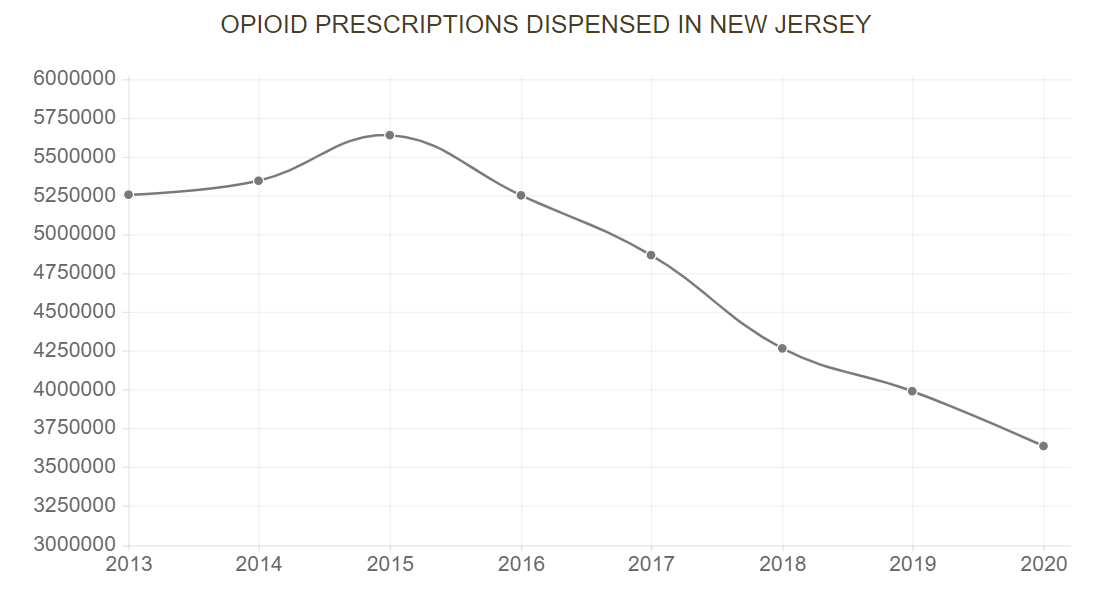
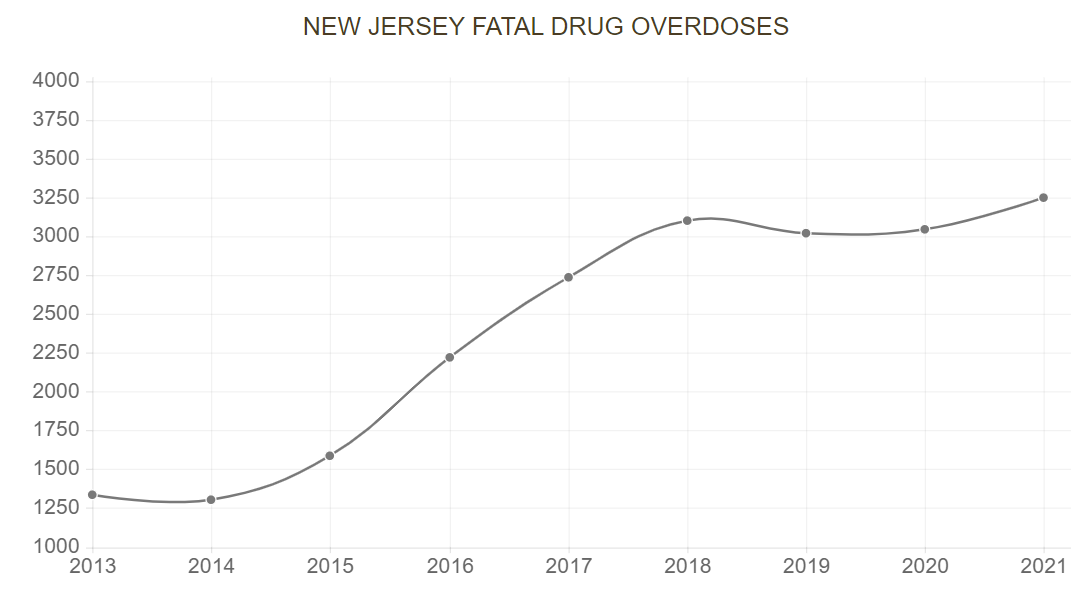
Summary: Opioid addiction and related deaths have considerably impacted average life expectancy in the US. It has emerged as a major preventable cause of mortality. This addiction has been fueled by the over-prescription of opioids to control pain. Thus, many states started limiting the prescription of opioids, and New Jersey was the first state to do so. Unfortunately, it appears that limiting prescriptions at this stage is not helping, and it is rather causing even greater mortality. It is because those addicted to opioids continue to use these drugs by procuring illicit opioids. Thus, data from New Jersey shows that a decline of 35% in prescriptions resulted in the tripling of overdose-related deaths in the state.

The US is among the few developed nations experiencing a decline in life expectancy since 2015. Moreover, such a decline has started after more than a century of an upward trend. It is worrisome, as the US is among the global leaders when it comes to healthcare spending. Many believe that this decline, at least partially, has occurred due to opioid overdose-related deaths1 highlighting the urgent need for effective opioid addiction treatment.

Data shows that deaths from opioid overdose have quadrupled in the last 20 years in the US. Thus, in 2019, drug overdose resulted in more than 70000 deaths, and among them, more than 70% were due to opioid overdose2

Many of these deaths occur among individuals who were earlier prescribed opioids for their painful conditions. However, many of them got addicted and continued their use. With many such opioids bought illicitly. 

Many US states have responded to this epidemic by limiting opioid prescriptions. However, data indicates that it may not be the best way to tackle this epidemic.

Opioid overdoses continue to rise in New Jersey despite the limits on their prescription

New Jersey became the first state in the US to limit the prescription of opioids to 5-days for severe pain. Thus, if someone needs to take opioids for a longer time, they would need to get a new prescription each time. These measures were meant to discourage the prolonged use of opioids.

However, experts doubt that the measure is working. It appears that many would instead buy illegal opioids or may even start using street drugs to manage their health condition.


The new study shows that the risk of opioid overdose has more than tripled from 2014 to 2019 among Medicaid beneficiaries. Thus, it rose from 120.5 per 100 000 person-years to 426.8. That is a considerable rise. Moreover, it appears that this prescription limit especially led to the increased penetration of fentanyl. For example, data shows that portions of fentanyl seizures among heroin seizures rose from 2% to 80% within the same period3.

This increase primarily involved the overdose of heroin and synthetic opioids. Further, it was associated with increased risk of alcohol abuse, non-opioid drugs use, depression, and increased risk of blood-borne diseases like hepatitis C.

Experts agree that although the initial opioid epidemic has been fueled by over prescriptions of these drugs. However, it appears that limiting their prescription at this stage does not appear to be helpful. On the contrary, it rather increases the risk of people using more illicit drugs and exposing themselves to certain infections.

The present study shows that since 2015, there has been a decline of 35% in opioid prescribing. Unfortunately, at the same time, there has been an alarming increase in overdose-related deaths, especially those associated with illicit fentanyl use.

Further, researchers suggest that there is a considerable need to pay attention to the overdose survivors, as these are individuals living with multiple disorders. Data from 2019 shows that half of such cases had major depression, and about 39% were living with alcohol abuse. Other common comorbidities include high rates of hepatitis C, bipolar disorders, cannabis abuse, sedative use, and schizophrenia.

Additionally, the study’s authors noticed that various other US states have also limited the prescriptions of opioids. This has resulted in the biggest decline in opioid prescriptions in the last 20 years. Nonetheless, overdose-related deaths are increasing each year considerably, with 93 000 deaths reported in 2020. Moreover, the majority of these deaths were linked to illicit fentanyl and other opioids.

References

1. DeWeerdt S. Tracing the US opioid crisis to its roots. Nature. 2019;573(7773):S10-S12. doi:10.1038/d41586-019-02686-2

2. Understanding the Epidemic | CDC’s Response to the Opioid Overdose Epidemic | CDC. Published October 2, 2021. Accessed November 9, 2021. https://www.cdc.gov/opioids/basics/epidemic.html

3. Crystal S, Nowels M, Olfson M, Samples H, Williams AR, Treitler P. Medically treated opioid overdoses among New Jersey Medicaid beneficiaries: Rapid growth and complex comorbidity amid growing fentanyl penetration. Journal of Substance Abuse Treatment. 2021;0(0). doi:10.1016/j.jsat.2021.108546


Summary: Chronic pain is among the primary symptoms in IBD patients. This pain is especially severe among hospitalized patients, often requiring opioid use. However, now doctors have created a protocol that helps minimize opioid use, without compromising on treatment quality. This new protocol is even better at pain control and promotes faster recovery.

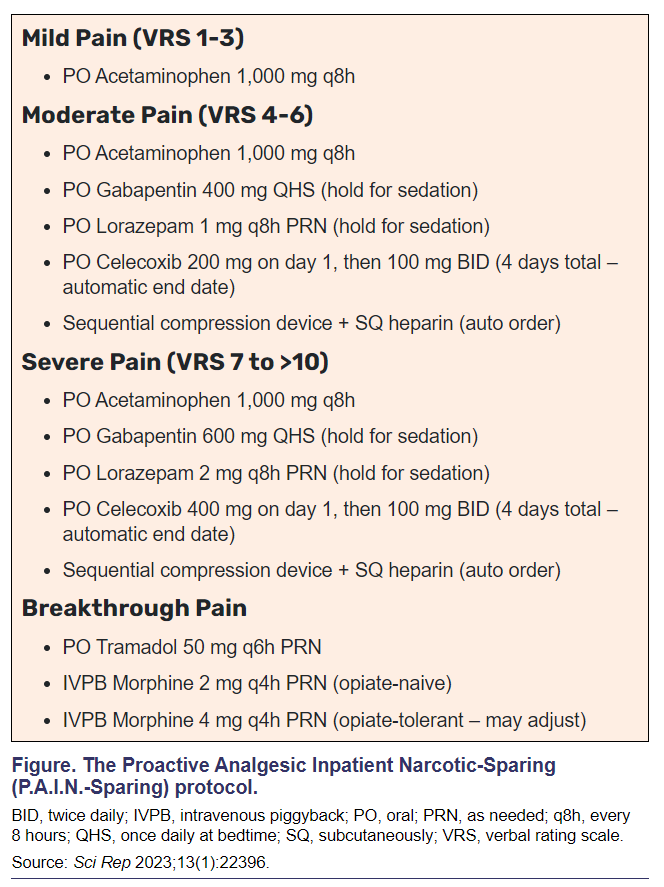
Chronic pain is on the rise. However, it is clear that widespread opioid use or prescription is not the best way to manage those living with chronic pain. Hence, doctors are now exploring safer ways of pain management and reducing opioid use. It appears that, in many instances, doctors are just too quick to prescribe opioids. Researchers at Cedars-Sinai in Los Angeles developed The Proactive Analgesic Inpatient Narcotic-Sparing (P.A.I.N.-Sparing) protocol. The new study published in Scientific Reports shows that this protocol is effective at reducing opioid use in hospitalized IBD patients without compromising on pain control (1).


Proactive Analgesic Inpatient Narcotic-Sparing Protocol


IBD is not a rare condition, and it is among the most severe autoimmune diseases, causing frequent flares, pain, and hospitalization. Pain is one of the primary symptoms in those hospitalized for the condition. IBD causes chronic pain, but it becomes worse during exacerbations of the disease conditions. Hence, doctors often need to use opioids to manage severe pain in these patients. But, opioid use is associated with many complications, dependence, addiction, and even death. Hence, there is a need to find ways to reduce their use.


Novel Narcotic-Sparing Pain Treatment Protocol Reduces Opioid Use

With proper planning and understanding of pain management, there are many options for reducing acute and chronic pains. Instead of switching to opioids, doctors may gradually increase the dosage of safer and commonly used painkillers and add antianxiety and anti-seizure drugs to the treatment. But, the question remains about how to do this. Doctors felt that there was a need to develop a protocol that was proven to be safe and that worked so that they could use it in their clinical practice.


Researchers at Cedars-Sinai could establish exactly that. They came up with a P.A.I.N.-Sparing protocol that could significantly reduce opioid use and yet control pain better. It is all about delaying opioid use and exploring alternative pain treatment medications.


Of course, it is insufficient to have a protocol. It is vital to prove that the protocol is safe and good for pain control. Hence, researchers carried out clinical trials. Of the 329 eligible patients, researchers enrolled 33 patients in the study, and half of them were treated using the newly developed narcotic sparing protocol. 


The researchers found that by using this narcotic-sparing protocol, doctors could not only reduce opioid use but also provide better pain control. Thus, the intervention group had better pain control than the non-intervention group (3.02±0.90 vs. 4.29±0.81; P=0.059). Doctors could significantly reduce morphine use by following the protocol (11.8±15.3 vs. 30.9±42.2; P=0.027).


Not only could narcotic sparing protocol help control pain better, but it was also better at improving quality of life. This was evident from the greater mobility among those treated with the protocol. Those on P.A.I.N.-Sparing protocol walked more on day four (2,330±1,709 vs. 1,050±1,214; P=0.014).


The Bottom Line


These findings are incredible in many ways. Using this protocol does not increase the risk of side effects. What is remarkable is that it is more effective for pain control than introducing opioids early in the pain treatment. Further, delayed opioid use is also associated with better quality of life, mobility, and most likely faster recovery from the underlying condition.


References

1. Berry SK, Takakura W, Patel D, Govalan R, Ghafari A, Kiefer E, et al. A randomized controlled trial of a proactive analgesic protocol demonstrates reduced opioid use among hospitalized adults with inflammatory bowel disease. Sci Rep. 2023 Dec 16;13(1):22396.