
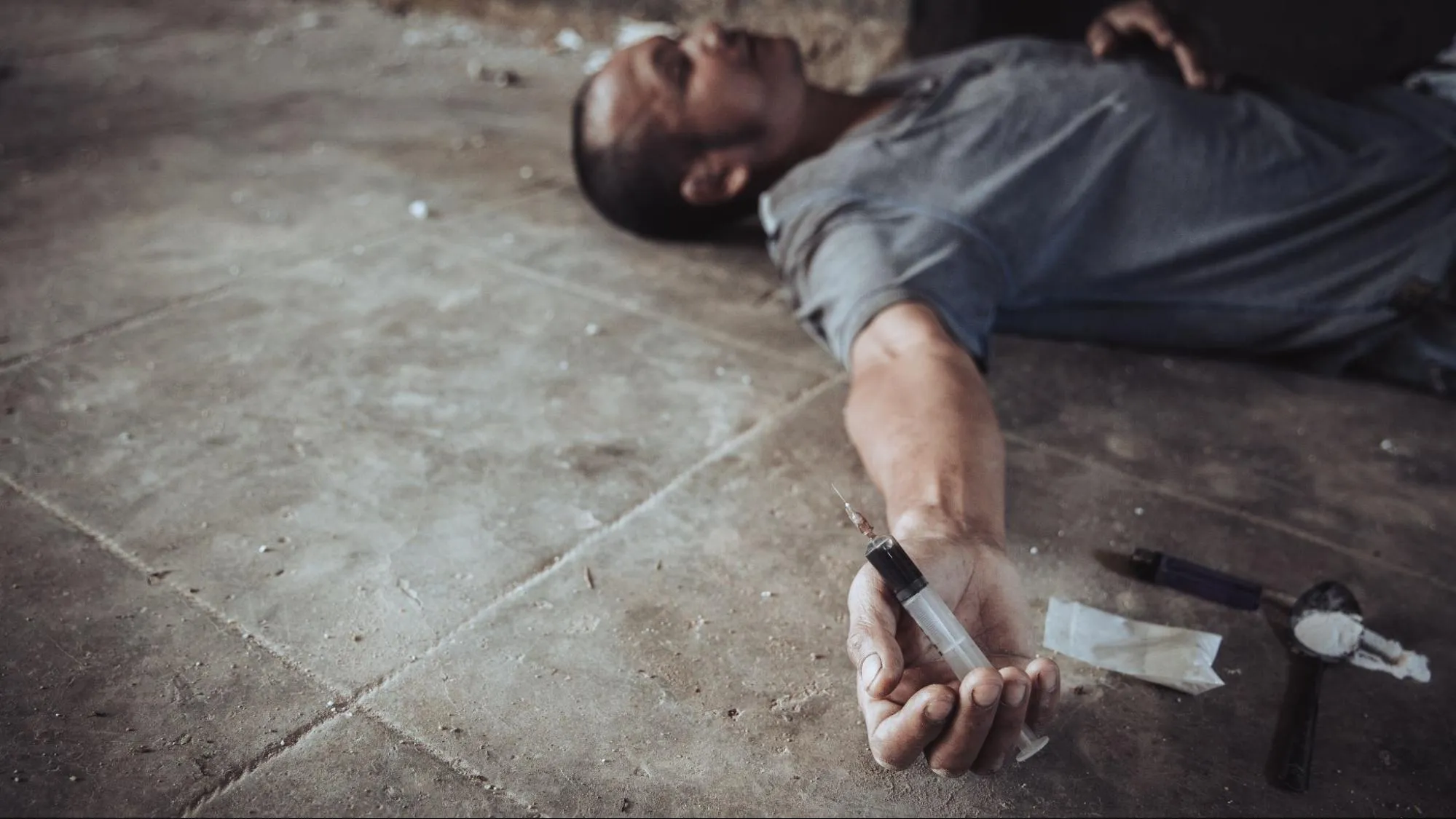
Drug deaths fall hardest on the poor. Data from England show poor people are almost six times more likely than rich people to die from drug and alcohol abuse. Drug use has climbed since the pandemic. Researchers say cutting social inequality is key to stopping these deaths.
Summary: It is no secret that people who are poor and left out are more likely to abuse drugs. But this study shows a huge gap in overdose deaths between rich and poor. Poor people are almost six times more likely to die of drug and alcohol abuse. That is alarming, because drug use rose during the pandemic. Researchers also think cutting social inequality is vital to stop these deaths.
People from every background abuse drugs. But poor people are more likely to die from an overdose. Data from England shows the risk is almost six times higher for poor people than for rich people.
These findings matter, and they are alarming. The same data shows deaths are climbing at a shocking pace. In England, deaths from substance use disorder rose five times in just a decade, from 2010 to 2020. The US and many other nations show the same trend. So these findings matter around the world.
Note that these findings come from before Covid. Studies in all EU nations, the UK and the US show drug use rose a lot during the pandemic. So addiction and overdose deaths will only climb faster. This is a health emergency in rich nations and in much of the world.
These findings also matter because the gap between rich and poor keeps growing. Pandemics hit the poorest people hardest. So drug use is more likely to rise among poorer people than among rich people.
In the US and the UK alike, opioids are the leading cause of addiction deaths. In the UK, street drugs like heroin cause more of the deaths. In the US, prescription drugs remain the leading cause of overdose deaths. But that trend is changing in recent years. In the US, street-drug overdose deaths are rising as prescription opioids get harder to get.
This UK study shows a clear link between overdose deaths and how much money people and regions have. For example, people in the poorest parts of England are several times more likely to die of an overdose. So healthcare and addiction treatment must also focus on the places where people are most likely to abuse drugs and overdose.
The US has already started some of this work. Many researchers have shown that in any state, most overdose deaths happen in a few counties. So one good way to cut these deaths is to make risk maps. Then focus prevention in those areas instead of spreading it evenly across all counties. Risk maps are not hard to make. Money data and overdose death data are easy to find.
We need to understand that for many people, drug use is a reaction to a changing world. They often start using drugs to cope with stress, anxiety and other mental health problems. Losing a job and rising homelessness make many of these problems worse.
We should also understand that poor people often choose different drugs. They are more likely to use drugs that carry greater health risk. They are also more likely to mix several drugs, which raises the risk of an overdose.
Experts say small policy changes will not help. Most of them may make drugs a bit harder to get and cut drug crime a little. But their effect is small and often short-lived. Closing the gap between rich and poor is essential to cut the risk of overdose deaths.
So to solve this problem, we need to look at the bigger picture. Opioid addiction treatment needs a 360-degree approach that deals with problems across society. Telemedicine addiction treatment is one such approach. It treats drug abuse at a low cost and keeps a person comfortable and private.
Frequently asked questions
What is the connection between poverty and addiction?
For many people, drug use is a reaction to a hard life. They start using to cope with stress, anxiety and other mental health problems. Losing a job and rising homelessness make those problems worse. The result is easy to measure. Data from England show poor people are almost six times more likely than rich people to die from drug and alcohol abuse.
How does poverty affect drug use?
It changes which drugs people use and how they use them. Poor people are more likely to choose drugs with greater health risk. They are also more likely to mix several drugs at once. Both raise the risk of a deadly overdose. The pandemic hit the poorest people hardest while drug use rose in the US, the UK and the EU. So drug use is more likely to climb among poorer people.
Which drugs cause the most overdose deaths?
Opioids, in both the US and the UK. In the UK, street drugs such as heroin cause more of the deaths. In the US, prescription drugs have been the leading cause. But street-drug overdose deaths are rising as prescription opioids get harder to get. In England, deaths from substance use disorder rose five times between 2010 and 2020.
How can overdose deaths be reduced in poor areas?
Aim prevention where the deaths are. In any given state, most overdose deaths happen in a few counties. Risk maps built from easy-to-find money and overdose-death data can focus prevention in those areas instead of spreading it evenly. Small policy changes that make drugs harder to get have a small, often short-lived effect. Closing the gap between rich and poor is essential.
Related reading
Opioid Overdose Epidemic During the COVID-19 Pandemic · Overdose Deaths Rising in Black and Indigenous Americans · Drug Addiction Treatment, St. Louis