
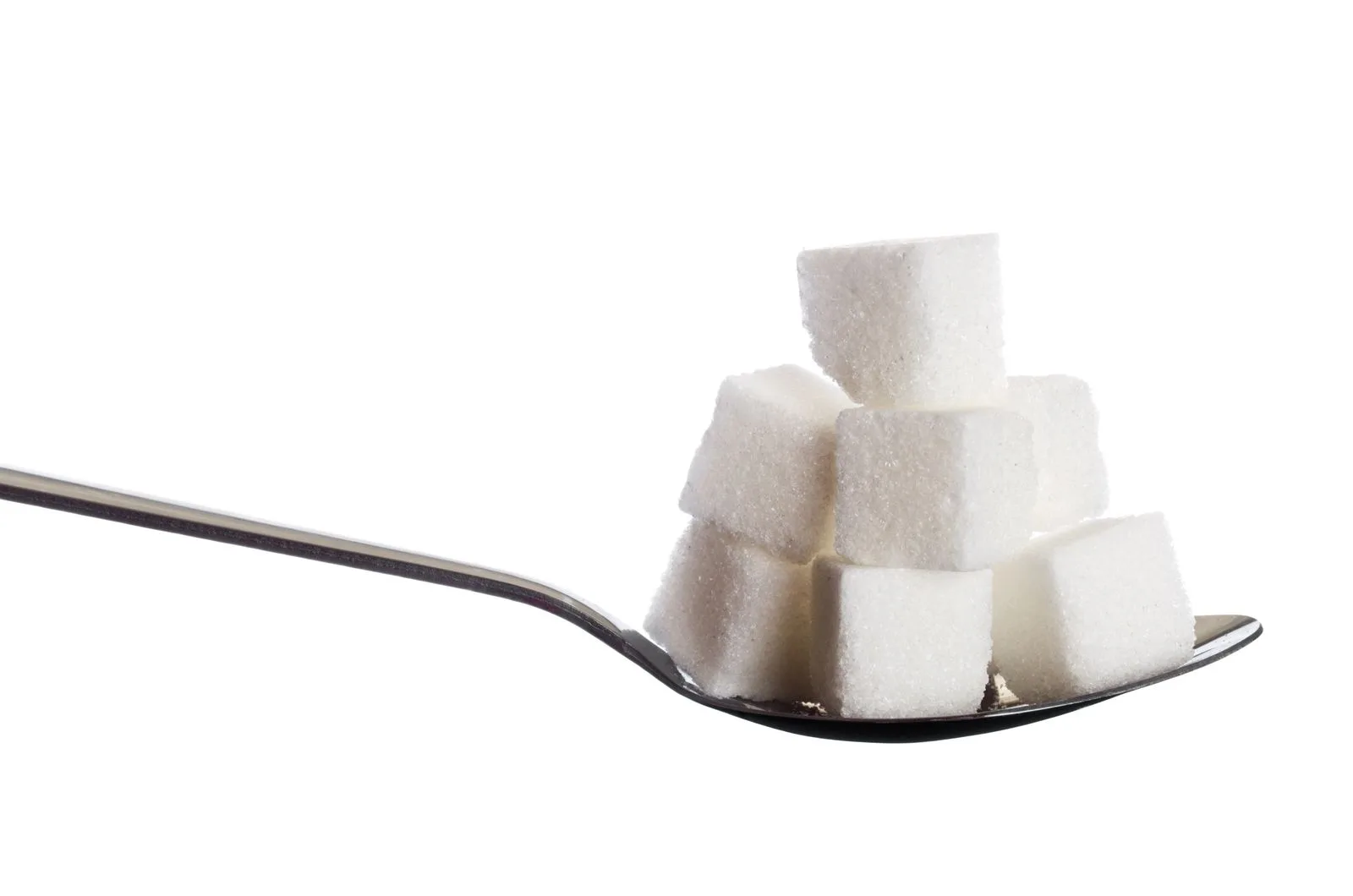
Sugar cravings in recovery are common, and they are not a failure of willpower. Sugar and refined starch pull on the same reward circuits that alcohol and drugs trained. They also swing blood sugar and insulin all day. A supervised low-carb diet steadies that swing, and the 2026 low-carb guideline lists fewer cravings among its benefits.
Look at the table at many recovery meetings. Coffee, creamer, and a box of donuts. We take away the drink and hand people the sugar. Then we act surprised when the scale climbs, sleep breaks down and the old restlessness comes back by mid-afternoon.
Dr. Padda calls this the hedonic treadmill. The brain learns to chase a fast reward, and it does not much care which product delivers it. Pull out alcohol or opioids, and the next cheapest hit is sitting on the counter. Food companies engineer it to be exactly that.
Why do recovering alcoholics crave sugar?
Three forces meet in early recovery. Two are biology. One is the world around you.
- Dopamine drive. Alcohol and drugs trained the reward system to expect big, fast hits. Sugar is the closest legal substitute. In Dr. Padda’s view, the craving is the same circuit asking for its old dose.
- The insulin swing. Sugar and white starch spike blood sugar. Insulin rises to clear it. Then the level drops, and the drop feels like an urge. A day of snacks becomes a day of small crashes.
- Loneliness and access. Sugar is cheap, everywhere and socially approved. Many people in recovery have also lost the friends they drank or used with. Isolation drives relapse, and sugar is the comfort nobody questions.
Dr. Padda knows the pull of the next reward from the inside. He calls his own ADD a secret power, and he admits what it costs. He once hired contractors to design a ground-based slingshot to launch payloads into orbit, before the physics ended it. A brain that chases novelty does not calm down because someone scolds it. It calms down when the reward loop gets rebuilt.
Does a low-carb diet reduce sugar cravings?
On October 2, 2026, the Society of Metabolic Health Practitioners published a guideline on low-carb eating as medical treatment. It lists less appetite and fewer cravings among the benefits. It also says low-carb eating lowers high insulin. Fewer insulin spikes mean fewer crashes to chase. Dr. Padda holds this society’s Metabolic Health Practitioner (MHP) credential. He did not write or vote on the guideline.
The guideline is about metabolic disease, not addiction. It does not claim to treat alcohol or drug use. What it gives a person in recovery is a tested way to stop feeding the sugar loop. It is expert consensus, not a trial. Twenty-six experts voted, every statement cleared a 70% bar, and the evidence was not formally graded.
You do not need strict keto to get the benefit. The guideline treats low-carb as a range. Low-carb starts under 130 grams of carbs a day. Ketosis usually starts under 50 grams, and ketosis is not always needed.
Why do I feel worse the first week off sugar?
This is the part most people in recovery are never told. When carbs drop, insulin falls and the kidneys release salt and water. The guideline lists the start-up symptoms: headache, tiredness, poor focus, mood changes, light-headedness, cramps and cravings. They begin within 2 to 3 days. Most pass in a few days. Some last 2 to 4 weeks.
Read that list again with early recovery in mind. It looks like withdrawal. A person who feels foggy, moody and craving on day three may decide they are about to relapse. Often they are low on salt. Knowing that ahead of time takes the fear out of it.
The guideline’s fixes are plain:
- Sodium, 2 to 3 grams a day for most people. Salted bone broth works.
- Potassium, 3 to 4 grams a day, from leafy greens, tomatoes, cucumbers and zucchini.
- Magnesium, 200 to 400 mg a day for cramps, unless you have kidney disease, a nerve and muscle disease or a pregnancy.
- At least 2 liters of fluid a day.
Is a low-carb diet safe with psychiatric medication?
It can be, with a doctor watching. This is where the guideline is most useful for addiction medicine, because many of our patients take mood or psychiatric drugs.
- Bipolar disorder: the guideline suggests a gradual start, because mood can shift during the change.
- Lithium and valproic acid: blood levels need checking as the diet changes.
- Antipsychotics: they are on the list of drugs that can raise blood sugar and block ketosis. Olanzapine and quetiapine may also block fat burning.
- Some antidepressants, such as fluoxetine, may block fat burning too.
That last point is the one nobody connects. The pill that steadies your mood may be working against your metabolism at the same time. That is not a reason to stop it. It is a reason for one doctor to see the whole picture.
Never change a dose on your own. Your doctor makes those moves, especially for insulin, sulfonylureas, SGLT2 inhibitors and blood-pressure drugs. Insulin and blood-pressure pills often need to come down early. For people on insulin, the first 2 to 3 days carry the highest risk of low blood sugar. At Addictionology Center, the evaluation and every prescription happen in person at the clinic.
What foods help with cravings in early recovery?
No food cancels a craving for alcohol or drugs. Steady meals remove one trigger: the blood-sugar crash. The guideline builds the plate in this order.
- Protein first: about 25 to 30 grams per meal, three meals a day.
- Real food: meat (organ meat included), fish, eggs, full-fat dairy and vegetables that grow above the ground.
- Fat until you are full. You do not need to count calories.
- Leave out: bread, pasta, rice, cereal, high-sugar fruit, added sugar and highly processed food.
Our own rules go a step further. Industrial seed oils come out. Refined grains come out. Real olive oil is fine. Red meat and fish are good food for our patients. The guideline does not name seed oils. That position is Dr. Padda’s.
Recovery is more than a diet
Food will not replace a sponsor, a meeting or a treatment plan. What it can do is stop one craving from feeding the other. A steady body makes a steadier brain, and a steadier brain makes better choices at 3 p.m. on a hard day.
So bring it into your care. Ask for your labs. Ask how your medicines fit. Then swap the donut for eggs, and give the first week some salt. See how we approach alcohol addiction treatment and drug addiction treatment.
Frequently asked questions
Do I have to give up fruit on a low-carb diet?
Not all of it. The guideline keeps low-sugar fruit such as berries, tomatoes, olives and avocados. It leaves out high-sugar fruit. Most of your carbs come from vegetables that grow above the ground.
Is a low-carb diet expensive?
Not by the guideline’s account. It says a whole-food low-carb diet costs about the same as a standard diet. It has been used in under-resourced communities. Eggs, ground meat and frozen vegetables are low-cost staples.
Do I count net carbs or total carbs?
Total carbs. The guideline advises counting total carbohydrate, not net carbs. Low-carb means under 130 grams a day. Your doctor may set a lower number for your goals.
Sources
- Rice SM, Buchanan LA, Calkins MW, Cucuzzella MT, Cywes R, Devine PL, Kalamian M, Kalayjian T, Reynolds DB, Westman EC. A Delphi consensus-based guideline for the implementation of therapeutic carbohydrate reduction in metabolic disorders. Journal of Metabolic Health. 2026;9(1):a152. DOI 10.4102/jmh.v9i1.152.