
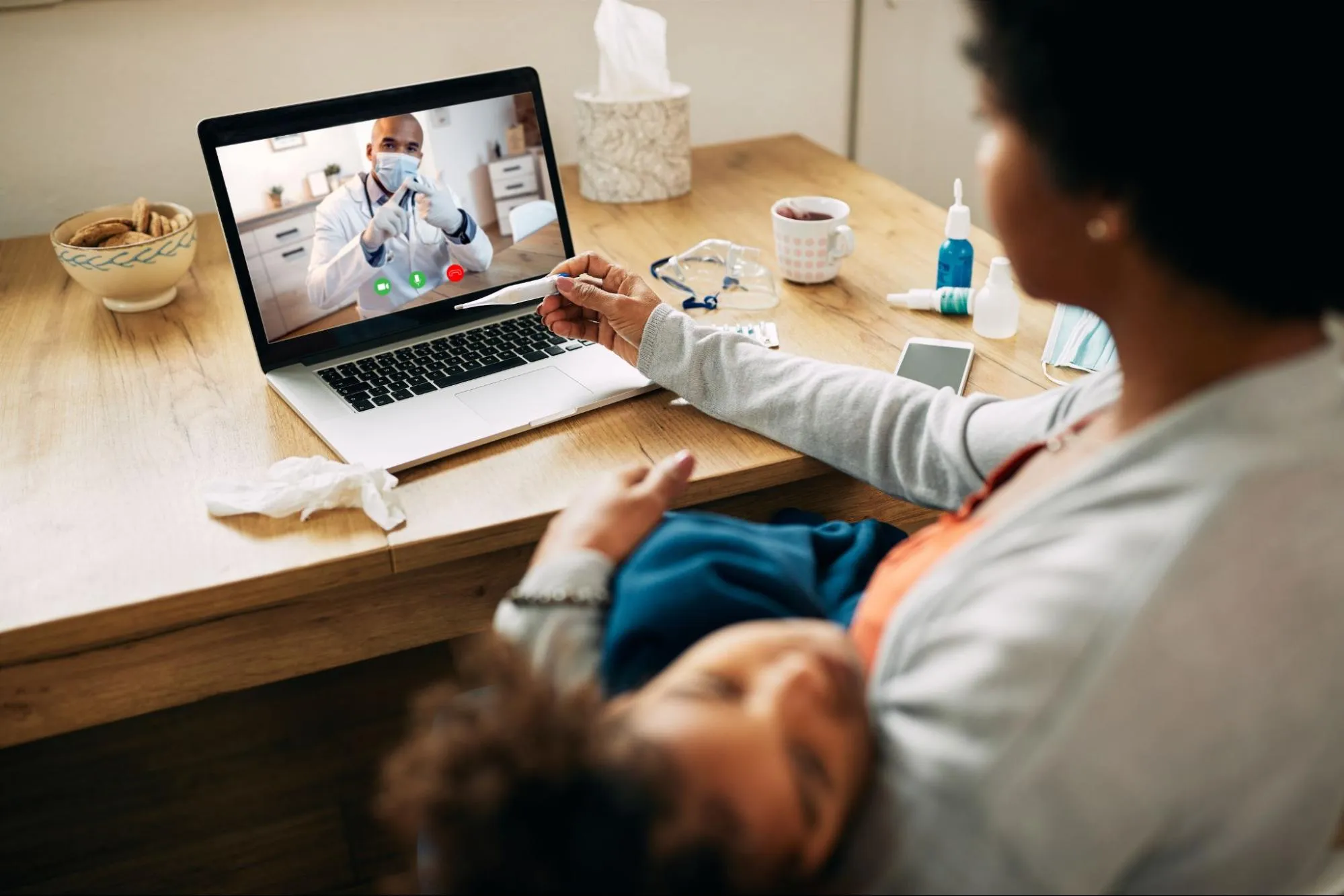
Telehealth for mental health is easier to reach and cheaper, but experts are skeptical of its benefits. Therapists on many platforms are poorly paid and less experienced. Video sessions help. But text-based care has not been proven to work for mental health conditions.
Summary: Many telehealth platforms have sprung up in recent years. Mental health care by phone or screen has clear perks, like easy access and lower cost. But experts think that telehealth platforms for mental health conditions may not work in many cases. Experts doubt these platforms for many reasons. Therapists on these platforms are not well paid. They often have little experience treating mental health conditions. Video calls seem quite helpful. But other ways to talk, like texting, are not proven to help people with mental health issues. There are also worries about virtual pharmacies. These platforms prescribe drugs without seeing or examining the patient.
Telehealth has clear perks over traditional medicine. It makes care easier to reach, with lower fees, more open times, and more contact. That makes it a strong way to deliver mental health care. Still, it lacks some strengths of traditional medicine, like meeting face to face. Also, therapists on some online platforms may lack the skill to manage mental health problems from afar. So experts are skeptical about the benefits of telehealth.
Telehealth startups have grown fast in recent years, and the industry is booming. Rising rates of mental health problems may explain this. CDC data shows that almost 40% of US adults live with mental health issues or substance use disorders. Those are big numbers. Traditional methods cannot reach so many people. So we must look for new ways to help the people who need it most. Telehealth may be the way.
Why are experts skeptical of online therapy platforms?
The sheer number of people with mental health problems is too much for therapists working the old way. This has pushed millions of people to online telehealth startups like BetterHelp and similar platforms. These platforms give quick help through live video and also texting.
But these platforms have many problems. For example, their fees are lower than those of traditional therapists. Experts say this also means less attention for each patient. Also, many psychologists and other therapists on these platforms lack experience. Many are just starting out and are poorly trained to give enough help. There are also worries about how these online platforms give support.
Does therapy by video call or text message work?
Mental health experts also doubt the way online platforms deliver help. They use two main ways to understand patients’ problems and give support. One is live video calls. The other is texting.
Many claim these methods work, but there is still little data on how well they work. Of the two, live video seems to work, since there is some research on it. Some studies suggest these online calls may work as well as a visit to the therapist’s office. But video helps only with some mental health conditions, not all of them.
There is a complete lack of data on whether messaging, texting, and similar methods work. So it is hard to say if they have real value for mental health problems. Yet experts say this is the main way telehealth mental health platforms deliver help.
Is it safe to get mental health prescriptions online?
Another big worry is virtual prescriptions based only on a talk between doctor and patient. Even that talk is often short. In many cases, doctors need to prescribe antidepressants, mind-altering drugs, and other controlled substances. In telehealth, they do it without a physical exam or enough testing. This is quite worrying. DEA has for now allowed virtual prescribing of controlled substances, mainly due to Covid-19.
Some health experts think patients may even fake mental health problems to get virtual prescriptions. Then they may abuse these drugs. This can do more harm than good.
To sum up, this does not mean telemedicine services do not help. But they have limits. They may be good in some cases. In most cases, though, seeing the provider in person is safe and effective.
Frequently asked questions
What are the benefits of virtual therapy?
Virtual therapy makes mental health care easier to reach. Fees are lower, therapists are easier to book, and people can get help without travel. That matters. CDC data shows almost 40% of US adults live with a mental health issue or a substance use disorder. That is far more people than traditional offices can see.
What are the downsides of virtual therapy?
Lower fees often mean less attention for each patient. Many therapists on large online platforms are early in their careers. They may lack the training to manage mental health problems from afar. Much of the help comes by text message, which has almost no data behind it. Some platforms also prescribe drugs, including controlled substances, without a physical exam or enough testing.
Is virtual therapy as effective as in-person therapy?
It depends on the format. Some studies suggest live video sessions may work as well as a visit to the therapist’s office. But that holds only for some mental health conditions, not all of them. Texting and messaging are a different story. There is a complete lack of data on whether they work. Yet they are the main way many platforms deliver help. For most people, seeing a provider in person remains the safe and effective route.
Related reading
Psychedelic Effects Through Virtual Reality · Telehealth for Opioid Use Disorder and Overdose Risk · 3 Threats Bigger Than Covid-19 · Drug Addiction Treatment, St. Louis