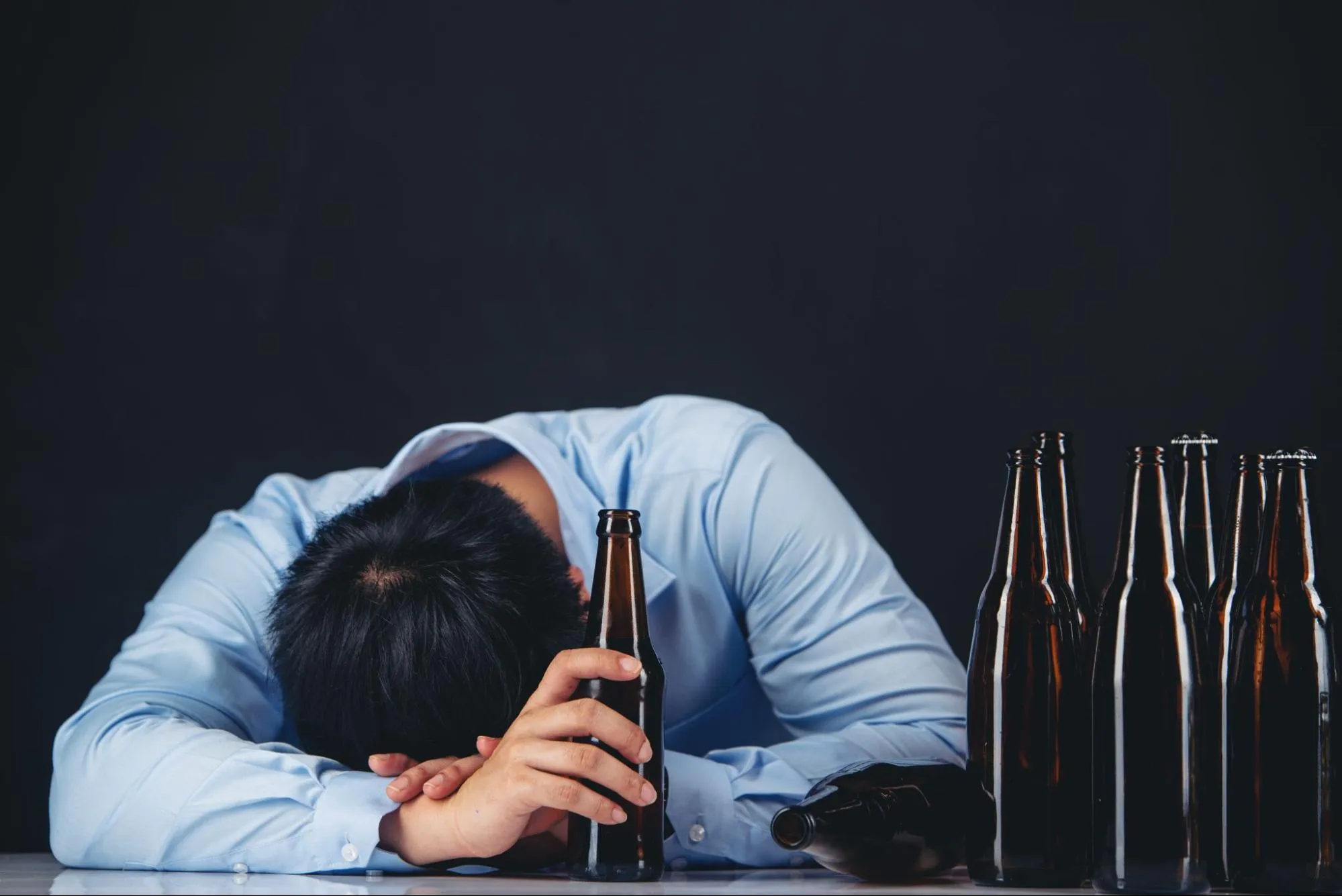

Summary: A new study found that veterans are least likely to seek treatment for common health conditions such as sleep and substance use problems. The study also found that veterans were more willing to seek treatment for physical health conditions such as chronic pain and brain injuries but less willing to seek help for mental health conditions like alcohol or drug use and sleep disorders. In addition, there is a link between the willingness to seek treatment among veterans of color and incidents of discrimination. 

They have sacrificed to protect their country and experienced unique challenges due to their service. As a result, veterans are more likely to experience certain physical and mental health issues than the general population. They may also have different values and experiences that shape their perspective on life.

One of the most notable differences between veterans and the general population is the high rate of post-traumatic stress disorder (PTSD) among veterans. PTSD is a condition that can develop after someone experiences or witnesses a traumatic event. Veterans who have been in combat are at a higher risk of developing PTSD. Due to their service, they may also experience physical injuries, such as amputations or traumatic brain injuries.

Another difference between veterans and the general population is the unique stressors that veterans may face. For example, veterans may struggle with re-adjusting to civilian life after returning from deployment. They may also have difficulty finding employment or accessing healthcare. Due to these unique challenges, veterans may be more reluctant to seek help for issues such as sleep problems or substance use. They may also have different attitudes toward seeking help and may be less likely to seek help from traditional healthcare providers.

According to a recent study from the University of Missouri School of Medicine, American military veterans are the least likely to seek treatment for common health conditions such as sleep and substance use problems. The study, which included 334 veterans from 46 states, found that veterans were more willing to seek treatment for physical health conditions such as chronic pain and brain injuries but less willing to seek help for mental health conditions like alcohol or drug use and sleep disorders. The study also found a link between the willingness to seek treatment among veterans of color and incidents of discrimination.

The study involved participants from 46 states, with 66% being men and over 70% identifying as a person of color. They were asked to answer screening questions for 15 different medical conditions, such as insomnia, hazardous alcohol use, drug use, PTSD, anxiety, and depression. Additionally, they were asked to rate the importance of treatment for each health condition and their willingness to seek addiction treatment programs.

The research found that most participants were willing to seek treatment for both physical and mental health issues but were more inclined to seek treatment for physical health conditions as opposed to mental health conditions. Furthermore, the study revealed that willingness to seek treatment was highest for chronic pain, chronic medical conditions, and physical brain injuries but lowest for alcohol or drug use and sleep disorders.

The researchers suggest that this may be because sleep and alcohol problems are prevalent among veterans. Thus they may be normalized or minimized to the extent that they are not viewed as problems that need treatment such as telehealth programs. Additionally, the study looked into the impact of discrimination on seeking treatment for physical or mental health issues. The results showed that more frequent experiences of discrimination were associated with less willingness to seek treatment for physical or mental health problems.

For veterans of color, discriminatory experiences were associated with less willingness to seek treatment, but only among those who denied using other strategies for coping with stress.

The study suggests that empowering veterans to utilize healthy coping methods may mitigate the negative impact of discriminatory experiences on treatment-seeking. Additionally, doctors treating veterans must be aware of these issues, as without handling these mental health problems treating physical ailments or chronic pain may be challenging in the population group.

It is our mission to bring real hope and transformational change to patients who would otherwise be consigned to a lifetime of medications, doctor’s visits, and suffering. We expose misaligned incentives and return the power of health to the individual. We believe empowered individuals change their communities. We use a combination of lifestyle intervention, medication management, and emerging scientific research to help our patients.  When you are ready or have questions, reach out.

Medical Disclaimer: Keep in mind that the content provided is not direct medical advice for patient care, but is provided for thoughtful discussion.

Summary: Opioid epidemic has been causing more deaths in the last few years than street drugs. Thus, everyone has quickly blamed doctors and pharmaceutical companies for this epidemic. Opioids are the most potent painkillers; without them, patients may suffer from severe pain. However, law enforcement agencies have been pressurizing doctors to reduce opioid prescriptions. Now, new studies suggest that medical prescription of these drugs may not have anything to do with the opioid epidemic. Even if opioids become hard to get, those prone to substance abuse would switch to other drugs. Therefore, there is no evidence that reducing opioid prescriptions would reduce drug overdose-related deaths. It will only result in the change of name of the substance that causes an overdose crisis.

Prescription drugs have been responsible for many deaths in the last decade or so. Almost all of these deaths have occurred due to drug overdose and misuse. Everyone seems to be blaming doctors and the pharmaceutical industry for the epidemics. However, many think that this epidemic has occurred due to widespread prescription of these medications, causing opioid addiction and increased misuse of these medications.

Opioids are one of the most potent painkillers. And in many clinical conditions, managing pain without these powerful pain killers is challenging. If doctors completely stop prescribing these drugs, it would result in poorly managed pain and other health harms.

However, new studies suggest that doctors prescribing opioids may have nothing to do with the epidemic. In one of the studies, researchers followed patients who were prescribed opioids for the first time to control severe pain. After six months of follow-up, less than one percent of the patients used opioids consistently.

People prescribed opioids are not likely to abuse them significantly

This is not the first study to show that opioid prescription is not to be blamed for the present epidemic. In one of the more extensive studies published in the reputed journal BMJ, researchers analyzed the data of 560 000 opioid naïve patients who were prescribed opioids for pain relief. The study found that in the long run, just about 0.6% were found to be misusing opioids.

Many studies show that there is no correlation between opioid misuse and prescription by doctors. It means that if doctors prescribe these drugs for pain relief, this does not contribute much to opioid epidemics. However, this also means that there are other less-known factors causing this epidemic.

However, despite the emerging data that doctors have nothing to do with an opioid epidemic, policymakers and law enforcement agencies are continually pressuring the medical community to stop prescribing these drugs or use them sparingly. However, doctors think that reducing their prescriptions would reduce their patients’ quality of life. In many cases, the situation in the US may become like that in some developing nations.

Since law enforcement agencies are pressuring doctors, CDC has even come up with a statement that agencies should stop misinterpreting its guidelines. Although CDC suggests that doctors should practice caution when prescribing these medications, doctors are in the best situation to decide when to prescribe and when not.

However, things in practice are quite complicated. For example, despite the clarification from CDC, pharmacies are not dispensing opioids in sufficient amounts to the patients.

Researchers further noted that restricting opioid use may help reduce opioid overdose rates. However, it would not result in a decline in substance abuse and related deaths since most people who misuse substances would switch to something else like fentanyl or heroin.

Also, since the regulatory agencies have started discouraging doctors from prescribing opioids, many other street drugs have come back. Thus, methamphetamine misuse has risen considerably in the last few years.

Experts suggest that law enforcement agencies should focus on their war on drugs instead of pressuring doctors and pharmacists. Since pressurizing, doctors would not result in less substance abuse. All it will cause is that addicts or those living with substance misuse disorder would shift to another substance. Hence, the name of the substances causing harm would keep changing, but the overall mortalities caused by substance misuse or overdose would not change.

Summary: Many people are living with chronic pain and need opioids to manage their condition. However, if, for some reason, they need to find a new physician, it becomes very difficult. People find it hard to find a physician who is ready to prescribe opioids for their chronic pain. A new survey of 452 primary clinics confirms that almost half of all clinics in the US do not want to take patients who use opioids to manage their pain. There are worries that they might have legal problems. They also think that patients must be abusing opioids leading to some serious opioid addiction. However, even if the patient is abusing opioids, it is not the reason to refuse care, as refusal may result in patients turning to illicit drugs.

Most Americans already know that it is pretty hard to find a physician who would readily treat their chronic pain, especially if they are on opioids. People often have to call many clinics before getting an appointment or finding a physician ready to help them. However, this is not just an imagination of some patients. A new study now confirms that it is a significant problem for those living with chronic pain and requiring opioids for pain treatment. If they need to change their physician for some reason, they are in trouble.
The new study shows that almost half of all clinics in the US are hesitant to treat patients living with chronic pain if they are on opioids. In the new study carried out by researchers at the University of Michigan, researchers used a technique called “secret shopper.” In the study, one poses as a female patient living with chronic pain and taking opioids. Then, experts called 452 primary clinics in nine states to ask if they were taking new patients.

Finding medical care for those using opioids for their chronic pain is challenging

If the clinic said “yes, ” the person would say that she is covered by insurance and looking for a new healthcare provider to treat her chronic pain, as her earlier physician has retired or stopped prescribing opioids. So the researchers made two calls to each clinic and talked about one of the scenarios.

To the researchers’ amazement, 43% of all clinics said they would not prescribe opioids in both scenarios (early physician retirement or physician stopped prescribing opioids). Only about 32% said that their primary care providers (PCPs) might prescribe opioids in these scenarios. However, another 25% gave mixed signals.

Here it is clear that doctors are hesitant to take patients that are taking opioids, and they are rejecting them without even considering their health condition. The study also found that clinics were twice more likely to reject these patients if they said their doctor stopped prescribing them opioids for some reason. In such instances, clinics assume that a person might be having problems related to opioid misuse.

The study suggests that there is a significant challenge in finding the proper medical care for living with chronic pain. However, the chances of finding care for chronic pain are further reduced if there are some indications that a person may abuse opioids. Healthcare experts warn that such a kind of refusal may significantly increase the risk of a patient’s conversion to illicit substances.

Researchers went further to explore why some clinics are so hesitant to treat such patients. They said that it is due to new legal norms and fear that they may get into some kind of trouble for prescribing these drugs.

The study results are consistent with another study done in 2019, in which researchers also found that 40% of primary care physicians are highly reluctant to treat patients who need opioids for their chronic pain.

However, this discrimination against opioid users is incorrect and poses some significant problems. Therefore, this study aims to show the existence of so-called bias towards opioid users and poor healthcare access.

Health experts say that even if a person is using opioids for other reasons than pain management, they still need medical help. In fact, those addicted to opioids need greater medical assistance, and those are the patients that primary care physicians must be treating.

Summary: It is no secret that socially deprived people are more likely to abuse drugs. However, the study shows a massive difference between drug overdose-related deaths among the rich and poor. Poor people are almost six times more likely to die of drug and alcohol abuse. These findings are worrisome, as drug use has risen during a pandemic. Further, researchers think reducing social inequality is vital to prevent these deaths.

Although people of different backgrounds abuse drugs, poor people are more likely to die from a drug overdose. Data analysis from England shows that this risk is almost six times higher in poor people when compared to rich people.

Their findings are relevant and worrisome. Moreover, the same data shows that the number of deaths is mounting at an incredible pace. For example, in England, deaths due to substance use disorder have risen five times in just a decade, that is, between 2010 to 2020. Of course, a similar kind of trend is seen in the US and many other nations. Thus, these findings have global relevance.

Further, it is worth noticing that these findings are from the pre-covid era. Studies in all EU nations, the UK, and the US show that drug use rose considerably during the pandemic. It means that drug addiction and drug overdose-related deaths will only climb at an even faster pace. It is a health emergency in developed nations and many parts of the world.

It is also essential to note that these findings matter due to rising social disparity. Pandemics have especially hit the poorest people in society. Thus, it means that drug use is also more likely to increase in more impoverished people compared to rich people.

Be it in the US or in the UK, opioids remain the leading cause of drug dependency-related deaths. In the UK, street drugs like heroin are more likely to cause deaths. However, in recent years, the trend is also changing in the US, where prescription drugs remain the leading cause of overdose-related deaths. In the US, street drug overdose-related deaths are rising as prescription opioids are becoming less accessible.

This UK study shows that there is a very clear and visible relationship between the economic status of people, regions, and drug overdose-related deaths. Thus, for example, people living in the most deprived areas of England are several times more likely to die of a drug overdose. It means that healthcare efforts and addiction treatment must also focus on specific geo-locations where people are more likely to abuse and overdose on drugs.

Some efforts are already being made in the US. However, many researchers have shown that in any given state, most drug overdose-related deaths occur in a few counties in the states. Hence, one of the good ideas to reduce these deaths is to create risk maps, and concentrate drug overdose-related death prevention measures in those areas, rather equally in all counties. Coming up with such risk maps is not complex, and both the financial data and data regarding drug overdose-related deaths are readily available.

There is a need to understand that, for many, drug use is just a reaction to changing the environment. They often start using drugs to overcome stress, anxiety, and other mental health issues. Many of these issues are made worse by joblessness and rising homelessness.

Additionally, it is also worth understanding that the choice of drugs by economically deprived people differs. They are more likely to use drugs that pose a greater health risk. Additionally, they are also more likely to combine multiple drugs, thus increasing the risk of a drug overdose.

Experts say that some small changes in policies are not going to help. Most of these small changes may make it harder to get drugs and reduce drug-related crime a bit. However, the impact of most such measures is small and often temporary. Addressing these economic disparities is essential to lower the risk of drug overdose-related deaths.

Therefore, if we need to overcome this issue, we need to have a broader outlook. Opioids addiction treatment will require a 360 degree approach to tackle issues at societal level. Telemedicine Addiction Treatment is one such approach that can address the issue of drug abuse economically while maintaining the comfort and privacy of a person.

Summary: More than 85% of US adults report drinking alcohol, and data suggests that about 25% of the population engages in binge drinking. Additionally, it appears that about 6% of adults are addicted to alcohol. Prolonged alcohol abuse causes premature death due to many causes like a motor vehicle accident or liver disease. The new study suggests that Covid-19 intake has increased alcohol-related deaths. This may be due to increased mental stress, work-from-home culture, and other reasons.

Alcohol consumption is pretty common and is a part of western culture. Thus, no surprise that all reputed localities are laced with pubs, bars, and more. It is common for people to have a drink after a hard working day. A drink helps relax and communicate and is an enjoyable activity. Though most people know that excessive alcohol can harm health, many do not realize the scale of the problem. This may explain the rate of increasing deaths due to alcohol addiction.

US data shows that about 85% of all adults drink alcohol. However, casual alcohol drinking is not an issue. But US statistics are alarming as they show that one-fourth of US adults engage in binge drinking. As a result, one-fourth of the population is at the risk of developing excessive alcohol consumption-related disorders and premature death.

Studies also suggest that about 7% of adults in the US are living with alcohol addiction. An estimated 14.5 million people older than 12 years of age have alcohol abuse disorder (AUD). AUD or alcohol addiction is a disease that must be treated; else, it may harm health severely. But, regretfully, only about 10% of those living with AUD or alcohol addiction seek treatment for the condition. Instead of seeking for their alcohol addiction treatment, people are more likely to seek treatment for health disorders caused by excessive drinking.

Alcohol addiction or excessive drinking may cause premature death for many reasons, like motor vehicle accidents, homicides, alcohol overdose, suicides, liver disease, kidney failure, and cancer. What is worrisome is that people of working age are more likely to consume alcohol excessively. Excessive alcohol use now causes more than 140,000 deaths in the US annually. It means about one in ten deaths among working-age adults is due to excessive alcohol use.

What the new studies add to the current understanding of alcohol addiction is that excessive alcohol use-related deaths are rising. It confirms the worrisome trend. Although in the last few decades, there is not much change in the rate of alcohol consumption, but more people are engaging in binge drinking.

The study was especially done by keeping in mind the impact of the Covid-19 epidemic on alcohol consumption habits. Covid-19 caused significant stress. Additionally, more people started working from home. The study confirmed that this resulted in excessive alcohol intake. This resulted in a slight increase in alcohol-related deaths in the US from 2.8% in 2019 to 3% in 2020.

Although data may show only a minor increase in alcohol-related deaths, nonetheless, the numbers are significant. Moreover, it shows an upward trend, something that cannot be neglected.

Alcohol consumption in moderation does pose many health threats. However, binge drinking (four or more drinks) or heavy drinking (eight or more drinks) can significantly harm health. To prevent deaths associated with excessive alcohol consumption, people should seek attention for alcohol use disorder (AUD) and not for health complications arising from alcohol addiction.

Treating alcohol addiction or AUD is different from treating drug addiction. AUD is often the result of years of alcohol use. Quite often, a person may not even realize that he or she is living with the condition. Most such individuals start by drinking alcohol in moderate amounts. However, with time or due to stress, they might begin abusing alcohol.

Summary: Since Purdue Pharma, the manufacturer of OxyContin, agreed to close their company by paying $8 billion in compensation, several other investigations and legal battles have begun. The Justice Department has filed a legal case against Walmart retail and wholesale for dispensing opioids without taking a good look at prescriptions, thus blaming it for having played a role in the opioid epidemic. However, Walmart disagreed, saying it could not come in between the doctor and patients and reported suspicious prescriptions to DEA. Ultimately, such legal battles might also impact patients who need opioids to control their chronic pains.

Since the opioid epidemic has come into the limelight, things have been changing fast. New regulations and prescription guidelines have been introduced by different stakeholders. However, due to pressures from various groups, multiple investigations have also begun, and so has the blame game.

Thus, the Department of Justice now alleges that Walmart has played a significant role in the opioid crisis. Moreover, the department says that Walmart’s retail chain and distribution unit are to be blamed for the epidemic.

The Justice Department says that Walmart did not pay adequate attention to many things, and thus they broke the law. They continued to dispense opioids to hundreds and thousands of people with invalid prescriptions and failed to report suspicious opioid orders. The department has filed a legal case against Walmart in the US District Court for the District of Delaware.

The department says that as the largest pharmacy chain, it has the means to prevent violations. However, they did not take appropriate measures.

However, Walmart has blasted the Justice Department for inventing some kinds of theories. They say that doctors prescribed, and Walmart pharmacies were bound to fulfill prescriptions. Therefore, Walmart cannot come in between the doctor and the patient.

However, the Justice Department did not agree with Walmart’s explanation, saying that Walmart knew that many of those prescriptions were not for true medical purposes. Not only that, but the Justice Department also blames Walmart for failing to report these issues to the Drug Enforcement Agency (DEA).

However, Walmart did not agree with most of this, as it says there has been a failure at the end of regulatory agencies, including DEA. They say they have empowered their pharmacists to refuse to fill prescriptions if they find them doubtful or if the opioids were not prescribed for the right reasons. On its end, Walmart claims it has sent tens of thousands of investigative leads and blocked thousands of questionable doctors. However, DEA failed to act on these leads.

The Justice Department has been pursuing all the companies it deems responsible for the opioid epidemic. However, things changed after Purdue Pharma, the maker of OxyContin, pleaded guilty and agreed to pay more than $8 billion to close the company.

However, all these legal tussles and blame games are not good news for people living with chronic pain and struggling with opioid addiction. It means those who need opioids for chronic pain treatment would now struggle to get prescription refills and those seeking opioid addiction treatment may face difficulty as well.

There is no doubt that doctors and pharmacists should take extra care when prescribing and dispensing controlled substances. However, abuse of specific medications by some individuals should not result in the inaccessibility of these beneficial remedies for those who need them most, including those seeking chronic pain treatment or opioid addiction treatment.

It is true that the opioid epidemic has caused many issues. However, if opioids become difficult to get, many of those addicted to opioids will start using other substances. However, when it comes to people living with chronic pains, they have limited options, as in many cases, opioids are irreplaceable. Thus, if the industry becomes too hesitant to produce, pharmacies reluctant to dispense, and doctors unwilling to prescribe, millions of people would suffer from pain and other severe health issues.

Summary: Opioid crisis and opiate abuse have only worsened in recent years, despite declining rates of opioid prescription. It is no secret that many people living with OUD are not seeking treatment. There are many causes for people not seeking treatment, like clinics not taking new patients, or many are just hesitant to seek treatment. However, telemedicine now offers hope. Doctors can not only treat OUD through online apps or platforms but also prescribe drugs like suboxone, which is a combination of buprenorphine and naloxone.

It is no secret that there are many reasons why so many people are not getting OUD treatment. One of the reasons is that there are just not enough clinics and specialists to treat the condition. In addition, many clinics are not taking new patients, and there are long waiting times.

Another, perhaps, even more significant reason is that those living with any kind of addiction do not want to go to clinics. There is much hesitance. They think that others would not understand their problem or simply do not want to travel, seek help, and more.

However, what if we said that now you can get opioid treatment programs online and prescription for medications? Finally, many states have approved the use of telemedicine in treating OUD. It is the right step, considering the scale of the problem.

Moreover, for most people living with opioid addiction, privacy is also a significant reason for not seeking help. Now they can expect to get treatment in the privacy of their home and even expect to get prescription medication.

Many clinics have now launched online OUD treatment services, which are completely legal. But, of course, there are some requirements to be fulfilled. For example, DEA has made it necessary that patients should undergo live video interviews with healthcare providers and not consult via chat. These limitations are just for the first time, as later, one can keep in touch with the clinics through other means.

Currently, a drug called suboxone is approved for treating addiction through telemedicine. It means that doctors can prescribe this to those living with OUD without the need to visit a clinic. It is among the most effective drugs to treat OUD, and it is a combination of buprenorphine and naloxone.

Suboxone is a very interesting medication and quite effective due to its unique mode of action. For example, buprenorphine works almost in the same way on opioid receptors as oxycodone. However, its activity is much less. Naloxone, on the other hand, blocks the effects of opioids.

Generally, naloxone is not used along with opioids like medications due to the risk of some severe side effects. However, it seems that combining it with buprenorphine is safe and good. Such a combination help overcome withdrawal syndrome quite effectively and, at the same time, block some of the unpleasant effects of prolonged opioid use. Hence, it is among the most effective ways to recover.

Online suboxone prescription is legal, but not in all states. Thus, if you are looking for a suboxone treatment option, you would need to check if online it is legal in your state. Of course, it is worth understanding that things are changing fast, and it is becoming legal in an increasing number of states. Thus, checking the latest information is always a good idea.

Of course, there are some other limitations of this kind of treatment. Besides the first online video interview, doctors would regularly ask you to get tested for opioid use. They would often send you a testing kit, and you will need to carry out the required tests, or else doctors can stop prescribing suboxone. These are some of DEA’s strict requirements, and everyone must stick to them.

Here it is vital to understand one more important thing; if suboxone online prescribing is legal in your state, it does not mean that just any doctor can prescribe it. Buprenorphine is still a controlled substance; thus, clinicians need to obtain a special waiver from the Substance Abuse and Mental Health Services Administration (SAMHSA).

Moreover, to avoid any pain killer addiction, there has to be a strict dosage prescription policy , both by the patient and the doctor.

Summary: TKA is a major surgical intervention requiring prolonged use of painkillers post-surgery. Additionally, doctors also need to use anxiolytics and antidepressants to manage emotional distress in many patients. A new study shows that those requiring psychotropics are also more likely to require longer opioid use due to a greater pain score.


Knee osteoarthritis, a common condition in the United States affecting millions of people, can be treated with various methods, including opioid addiction treatment. It is characterized by the degeneration of cartilage in the knee joint, leading to pain and disability that can significantly impact a person’s quality of life, making it difficult to perform everyday activities such as walking, climbing stairs, and participating in physical activities.

Total knee arthroplasty (TKA), also known as knee replacement surgery, is a common treatment option for individuals with severe knee osteoarthritis. TKA involves removing the damaged parts of the knee and replacing them with artificial components, which can significantly reduce pain and improve mobility. However, TKA is typically only recommended for patients who have not responded to less invasive treatments, such as physical therapy, weight management, and pain management.

TKA is a major surgical intervention. However, it also provides significant relief to the patient once the joint has healed after the surgery. In addition, TKA ultimately results in lower dependence on painkillers, as most are able to live without painkillers. Generally, patients need opioids for the first three months after the intervention. Opioids, though highly effective in controlling postoperative pain, are not an excellent choice. They slow down healing processes. Additionally, though minimal, but there is still a risk that prolonged opioid therapy in the post-surgical phase may increase the risk of opioid dependence in some.

However, it is worth understanding that pain is not the sole concern of those who undergo TKA. Most patients also require treatment for mental health issues, for emotional distress. Total knee arthroplasty (TKA) can also cause significant anxiety and depression in some patients. The reasons for this can be diverse and interrelated but generally stem from the patient’s concerns about the outcome of the surgery, the recovery process, and the ability to return to normal activities.

Chronic pain, which is a common symptom of knee osteoarthritis, can lead to depression and anxiety. In addition, the physical limitations imposed by the pain and disability associated with knee osteoarthritis can also contribute to feelings of hopelessness and depression.  All this means that doctors frequently use psychotropics in TKA patients to manage pain and mental health issues. Moreover, many patients report better pain relief when they are provided drugs like anxiolytics or antidepressants along with opioids.

However, now some researchers warn against the frequent use of anxiolytics or antidepressants in TKA patients. Since new studies show that using these drugs may result in longer opioid use in patients. Not only that the patients use opioids for longer, they even had higher pain scores when psychotropics were used along with opioids. Although, it does not seem to have any influence on readmission rates or emergency department visits.

It means that using psychotropics in TKA patients along with opioids has limited health benefits and must be used with great care. Overall, researchers found that patients on these medications require more aggressive pain control after surgery. Moreover, these issues were seen even in patients prescribed anxiolytics or antidepressants for other reasons, and they did not experience anxiety or depression. Of course, it is not possible to treat all the patients without these drugs. Nonetheless, the study shows that those living with mood disorders are more likely to experience prolonged post-TKA pain and recover slower.

It is our mission to bring real hope and transformational change to patients who would otherwise be consigned to a lifetime of medications, doctor’s visits, and suffering. We expose misaligned incentives and return the power of health to the individual. We believe empowered individuals change their communities. We use a combination of lifestyle intervention, medication management, and emerging scientific research to help our patients.  When you are ready or have questions, reach out.

The content provided herein is not intended to provide assessment, diagnosis, treatment, or medical advice; it also does not constitute provision of healthcare services. No information in this content should ever be considered as a substitute for advice from a healthcare professional, it is provided for thoughtful discussion, informational and educational purposes only.

Summary: Alcohol consumption is socially accepted; in many cultures, it is even a sign of adulthood. However, many people start drinking alcohol excessively. It seems that some people are susceptible to alcoholism. Alcoholism is a severe health issue. However, there is still a lack of good understanding of the problem. There is no single test that can help confirm the diagnosis. Nonetheless, there are now clearly defined alcoholism stages and proven ways to manage alcohol addiction. Thus, those addicted to alcohol must seek suboxone treatment, understanding that being sober is the new high.

Humans have consumed alcohol for ages. Its consumption is socially accepted. Not only that, in many societies, particularly in western nations, drinking alcohol is considered a sign of growing up as some say that only children must be sober.

All this means that millions of people consume alcohol regularly. Studies suggest that almost 85% of adults in the US consume alcohol. About five to six percent of the total US adults are addicted to alcohol. It means that they are living with alcoholism.

One of the issues with alcoholism is that it does not have well-defined boundaries. It is unclear who is an alcoholic. There are no tests or biomarkers that can be done to diagnose alcoholism. It means that alcoholism is mainly diagnosed clinically or indirectly.

There is also good news. Studies also show that consuming alcohol is not considered chic anymore. Therefore, there is some decline in excessive alcohol drinking. There has been a decline in alcohol consumption even in the last few years. 

It means that an increasing number of people realize the dangers of excessive alcohol drinking. And thus, many people now recognize that drinking alcohol is not essentially cool. 

Alcohol addiction is a severe health problem

These days, excessive alcohol consumption is not more regarded as a habit or a lack of willpower to control oneself. Instead, medical science now views excessive alcohol consumption as a health disorder.

In fact, medical science now defines the three stages of alcohol dependence. It starts with the first stage, when a person begins consuming alcohol frequently. Although, at this stage, a person does not have many issues with alcohol, nonetheless, they seek a reason to drink. For example, during the first stage, a person starts drinking alcohol to combat boredom, celebrate something, and combat loneliness.

During the first stage, the body starts adapting to alcohol. It means that such individuals do not show many signs of alcohol consumption and can even function well when intoxicated. In addition, these people can resist some of the effects of alcohol.

These individuals start developing physical and mental dependence from the middle or second stage. Their organs start becoming dependent on alcohol. Their heart starts beating irregularly, which causes damage to their heart muscles. Excessive drinking causes changes in the liver and gastrointestinal tract. They start drinking habitually and start developing erratic behavior. They also show withdrawal symptoms like nausea, sweating, and severe irritability.

Finally, many develop late-stage alcohol dependence. It is a full-blown alcohol dependency. It is a stage that is called alcoholism. These people live with severe malnutrition, liver disease, low immunity, heart disease, and other physical and mental ailments. They often suffer from blackouts and memory loss. 

As one can understand, the third stage of alcohol dependence is a full-blown health disorder that requires medical treatment. 

Overcoming alcohol addiction

It is vital to understand that alcohol addiction shares many traits with drug addiction. Therefore, one must be similarly treated for alcohol addiction. In the US, a 12-step program for addiction treatment is commonly used. But, of course, it is not the only way to treat addiction, but one of the recommendations.

It has some important components, like realizing helplessness in overcoming addiction. It is also about believing that higher power can help and then asking the higher power to help. Finally, it is about making a list of shortcomings and then trying to overcome them. This 12-step program is also about maintaining the personal inventory, admitting when one is wrong, and more.

The good thing about the 12-step program is that it focuses much on boosting inner strength and enabling people to overcome their addiction by themselves. Of course, no single method may work for all. Many people cannot overcome addictions through this program or sheer willpower. In such cases, seeking specialized treatment for the addiction is the way forward. It is vital to understand that being sober is the new high.

Summary: Fibromyalgia is a common chronic disorder causing body aches, fatigue, tenderness in various body parts, depression, sleep disorders, and more. The condition is caused by certain changes in the brain that remain poorly understood by science. Doctors treat fibromyalgia using painkillers, antidepressants, and other medications, but the treatment is far from satisfactory. However, new studies suggest that psychedelics like psilocybin or LSD may help in chronic pain treatment, as they can help reset the brain, providing long-term relief in the condition.

Fibromyalgia is among the most complex disorders to diagnose and treat. Fibromyalgia causes widespread body aches. There are multiple areas of high pain sensitivity. Not only that, but it also causes fatigue, sleep disorders, depression, and more.

However, the condition is still poorly understood by science. That is why it remains a diagnosis of exclusion. Before confirming the diagnosis, doctors would generally exclude other well-known chronic health disorders causing similar symptoms like body aches and fatigue. Its diagnosis is mainly clinical, and there are no reliable biomarkers to confirm it. Nevertheless, it is among the common causes of chronic pain. What is worrisome is that its incidence is increasing.

There is no single drug therapy that would work for all. Thus, doctors would prescribe non-inflammatory drugs and anti-seizure medications, like gabapentin, and antidepressants, to treat the condition. However, the benefit from most of these drugs is far from satisfactory, and the risk of side effects from such treatments is high. Thus, there is a need to find safe medications to treat the condition.

In recent years, doctors have understood that fibromyalgia is caused by some brain changes causing hyperalgesia and fatigue. Thus, body tenderness in the condition is rather due to changes in the brain and not due to some local inflammation. Hence, it is vital to explore drug therapies that may help alter the brain’s working. Psychedelics are known to help reset the brain and provide prolonged benefits for many brain disorders. However, psychedelic therapy still remains largely experimental in various health disorders.

Now, one of the pharma startups has decided to explore the role of psychedelics in managing fibromyalgia. A California-based company called Tryp Therapeutics has partnered with the Chronic Pain & Fatigue Research Center at the University of Michigan Medical School for a phase 2 study regarding the use of psilocybin to treat fibromyalgia.

There are many reasons to consider psilocybin. It is the psychoactive compound found in “magic mushrooms” and is known to be relatively safe. Thus, researchers do not need to spend years generating pre-clinical data, and they also do not need to start with a phase 1 study, which mainly focuses on the safety of the compound and its humans. It is because there is already sufficient information about psilocybin, and its safety in humans is established to a degree. It has the potential of becoming the best treatment for fibromyalgia.

Of course, phase 2 studies are also about safety, but they are more extensive than phase 1 studies. Moreover, they also focus on efficacy at a safe time. Thus, the possibility of starting from the phase 2 study means much savings in both financial terms and timelines.

The company will test synthetic psilocybin. Early studies suggest that psilocybin can alter neuroplasticity, alter many neural networks, and cause long-term changes in brain function. Hence, it is likely that it may help reduce hyperalgesia of central origin often found in those with fibromyalgia.

Everyone is very excited about the study, as its success may change how fibromyalgia is managed and may even affect how chronic pain treatment, opioid addiction treatment and depression management is carried out. But, of course, these are still early days, as the company is still only getting ready to file for phase 2 trials. Such a trial needs to enroll a few hundred people. However, for the US FDA to approve the drug for medical use, there would be a need for a phase 3 trial, which is much more extensive.

So, sure, there is still a way to go. Nevertheless, the news is exciting, as pharma companies have started looking beyond traditional painkillers or antidepressants to manage such conditions. Moreover, there is limited evidence that antidepressants work for fibromyalgia.

Even more interesting is that other pharma companies have also started exploring the role of psychedelics in managing fibromyalgia. Thus, another company, Mind Medicine, has announced that they are beginning their investigation regarding the use of LSD to treat chronic pain syndrome and get cluster headache relief.

To date, LSD and psilocybin are classified as Schedule 1 controlled substances; hence, they are not approved for any medical use. However, these studies may change all that.